
Highland Birding
With binoculars in hand, scout the northern highland forests for sightings of quetzals.
Uncover the highlights of Nicaragua while travelling between crescent-shaped bays and colonial-era cities, taking a ferry to the nation’s iconic volcanic island, hiking through cloud forests, interacting with friendly fruit-selling and fabric-weaving locals and sipping sundowners on sun-drenched beaches.

With binoculars in hand, scout the northern highland forests for sightings of quetzals.

Relax on the beaches where lush jungle meets turquoise waters, perhaps taking a yoga class.

Amble the streets of colonial cities, interacting with locals and sampling road-side fruits.
 4
4
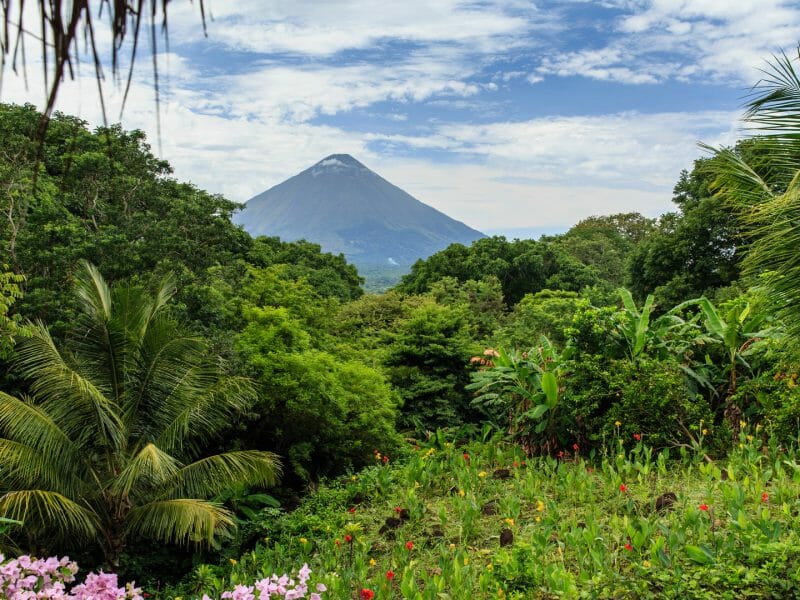
Hike to the top of Concepcion Volcano on Ometepe Island for all-encompassing island views.


Encompassing the real focal points of Nicaragua, this journey through the land of coffee and colonial architecture is one of extremes. From Leon, the laid-back city with a stark white cathedral, to Ometepe Island, the volcanic island with a sensational sunset, this trip takes in fascinating wildlife, colourful streets and lush jungles. With explorations of the oldest city in Latin America, the cloud forests of northern Nicaragua and the private white-sand beach of an exclusive eco-lodge, this is a breathtaking journey through marvels that simply need to be seen in person.
Day 1
Managua
Day 2
Managua - Matagalpa
Day 3
Matagalpa
Day 4
Matagalpa - Leon City
Day 5
Leon City
Day 6
Leon City - Granada
Day 7
Granada
Day 8
Granada
Day 9
Granada - Ometepe Island
Day 10
Ometepe Island
Days 11
Ometepe Island - San Juan del Sur
Day 12- 13
San Juan del Sur
Day 14
San Juan del Sur - Managua
Day 1
Managua
Day 2
Managua - Matagalpa
Day 3
Matagalpa

With binoculars in hand, scout cloud forests of the northern highlands for sightings of quetzals.
Day 4
Matagalpa - Leon City
Day 5
Leon City

Amble the streets of colonial Leon and Granada, interacting with friendly locals and sampling road-side fruits.
Day 6
Leon City - Granada
Day 7
Granada
Day 8
Granada
Day 9
Granada - Ometepe Island

Hike to the top of Conception Volcano on Ometepe Island for the all-encompassing island views.
Day 10
Ometepe Island
Days 11
Ometepe Island - San Juan del Sur
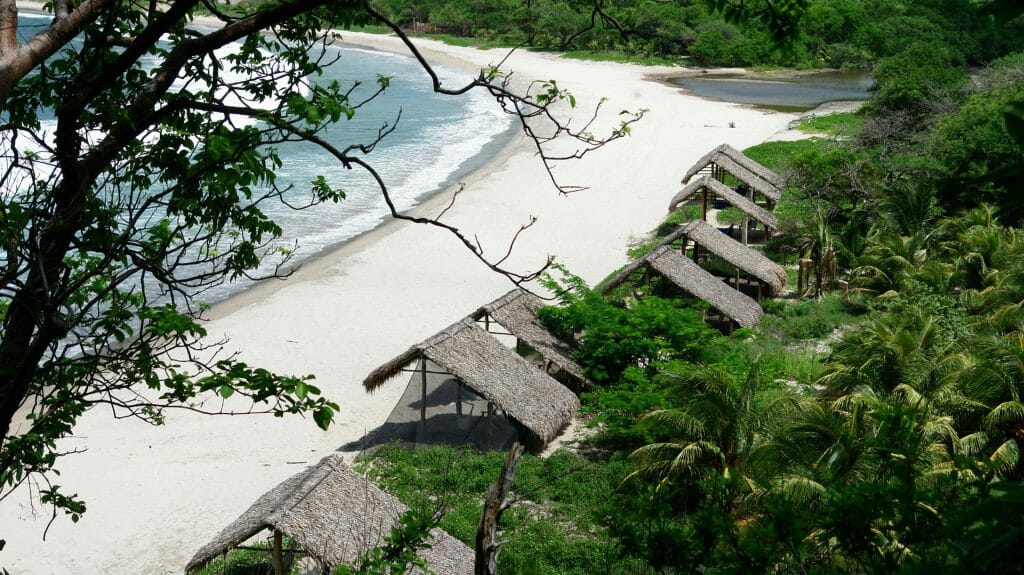
Relax on the beaches of San Juan del Sur, where lush jungle meets turquoise waters, perhaps taking a yoga class.
Day 12- 13
San Juan del Sur
Day 14
San Juan del Sur - Managua


Spend time in Managua, the hot and sultry urban expanse on the south western shores of Lake Xolotlán that sits wedged between towering flanks of extinct volcanoes, crater lakes and lagoons. A dramatic setting for the nation’s capital with a dizzying array of landmarks and tree-lined boulevards, Managua enjoys a reputation as the ‘City of Peace’. Travel north to a coffee estate nestled within the lush cloud forests of the Matagalpa Highlands, exploring the wilderness on hiking trails or horseback. Search for howler monkeys, mountain lions, sloths, ocelots and a plethora of birdlife that includes hummingbirds and quetzals, and perhaps join a bean-to-cup coffee workshop with a local artisan.


Amble the colonial cobbled streets of Leon in the company of an expert guide, unveiling its reputation as the nation’s intellectual capital and heart of the arts. Tour its important museums and galleries, visit sites of historical importance relating to poets and painters, and walk on the roof of a show-stopping cathedral. In alluring Granada, the oldest Spanish-built city in Latin America, wander narrow streets lined with brightly coloured dwellings. When not sampling traditional Nicaraguan cuisine, join locals as they barter at the market or sip coffee under the shade of the yellow-walled cathedral. Our highlight is an exclusive boat tour of volcano-formed Las Isletas Archipelago in the company of a private guide with lunch served on one of the islands.
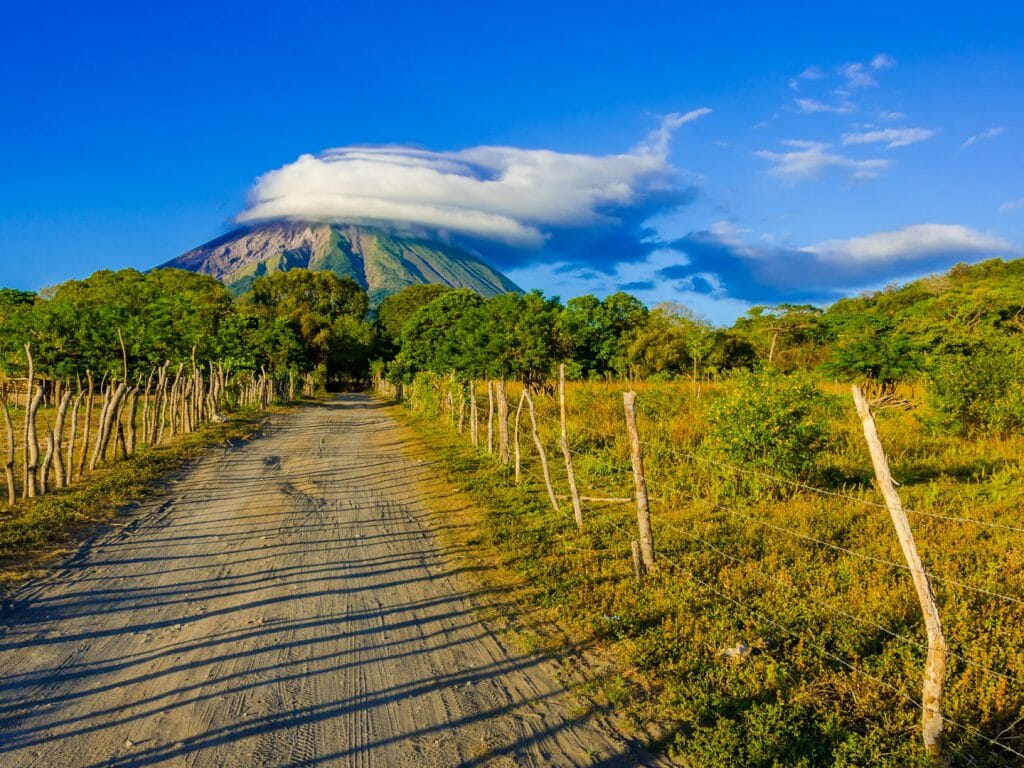
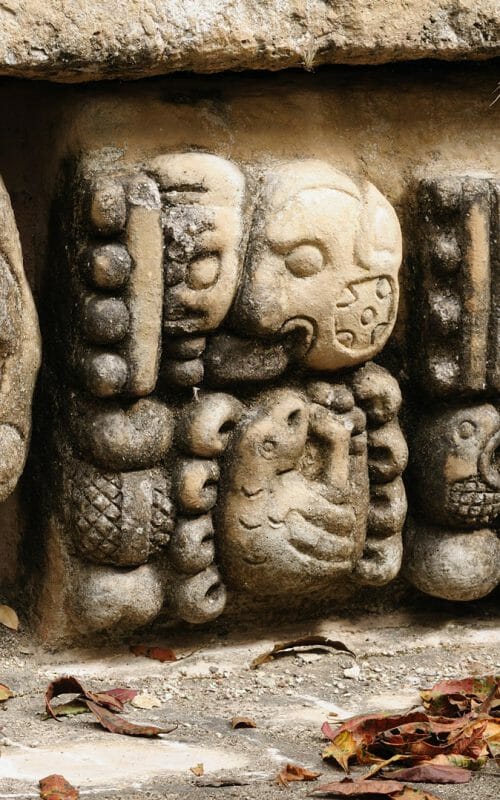
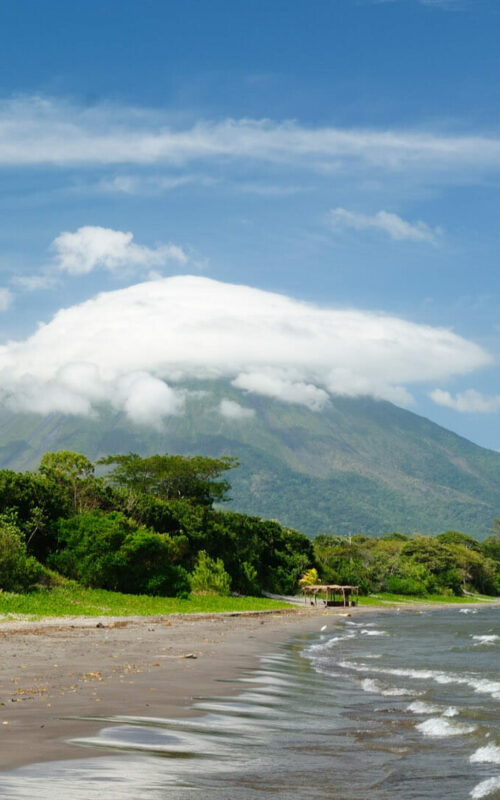
Board a ferry to Ometepe Island in Lake Nicaragua, dominated by the twin volcanic peaks that make up the quintessential Nicaraguan postcard landscape. With its laid-back island vibe and the acclaimed Punta Jesus Maria sunset, this is a place for relaxing, partaking in a spot of kite-surfing or renting a scooter to ride along the coastline. Rise early to hike up the conical slopes of active Concepcion Volcano, traversing dense forests and passing chattering monkeys before taking in far-reaching views from its barren summit. Perhaps paddle in a natural volcanic waterhole, seek out a coconut smoothie, hike to a cascading waterfall or locate the stone carvings and petroglyphs of its pre-Columbian past.

Unwind on one of the beaches where lush jungles meet blue waters. Admired for its tumbling Pacific surf and golden sand dunes, one favourite is the former fishing hamlet of San Juan del Sur. Having managed to retain its easy-going charm, it is chocked with local markets, stalls serving Nicaraguan dishes in palm leaves and colourful buildings. Staying in an eco-lodge set within 4,000 acres of jungle, spend time on a private beach or cooling off in a villa plunge pool while monkeys scamper across the balcony. From this lush base, embark on 4×4 wildlife safaris, horseback rides, snorkelling excursions and surfing lessons, and perhaps even watch turtle nesting and hatching in season. Perhaps move to the eastern coast to visit Yemaya, Corn or Calala islands.
Send us an enquiry
Complete our enquiry form and start your next journey.
Prices will vary depending on the time of year you are travelling. Prices do not include international flights. Please ask one of our Travel Experts for an accurate quote. Flights purchased through Steppes Travel departing from the UK are ATOL protected.
Our experts have created and curated these tailor-made holiday ideas to get you started. Take the time to search through them and find something that is the spark for your unique adventure.
Our knowledge, curiosity and expertise set us apart, driving us to create remarkable holidays and Beautiful Adventures tailored perfectly to you, carefully curated to help protect and conserve our planet.
Are you ready to Discover Extraordinary?