Visiting Uganda in January
high season
Uganda’s dry season is in full swing, bringing sunshine, warm temperatures and clear skies ideal for primate tracking and savannah safaris. Travelling is easier, with roads in good condition and wildlife gathering around water sources. While daytime temperatures can climb above 28°C in the north, the highlands around Bwindi and Kibale remain comfortably cool. Murchison Falls is at its most dramatic after the wet season too.
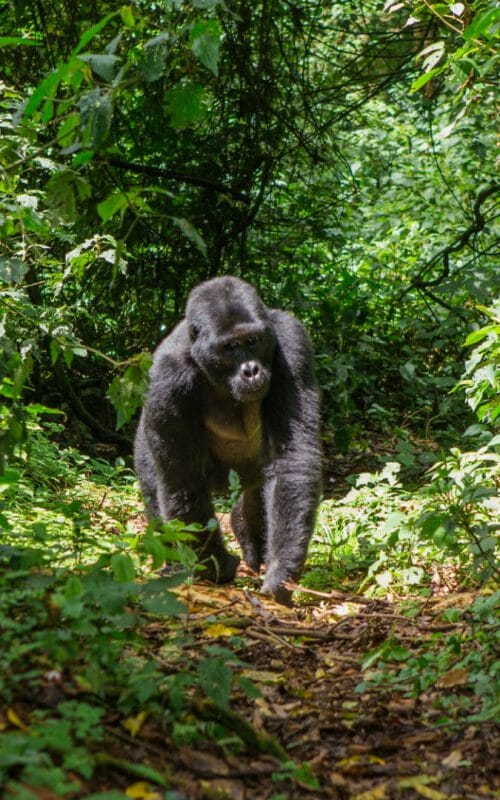
Gorilla tracking in Bwindi
Bwindi Impenetrable Forest is at its best, with dry trails, good visibility and increased chances of spotting gorillas in drier clearings. With over half the world’s mountain gorillas here, January is a prime month to trek into the forest’s misty hills with expert rangers, camera in hand.
Murchison Falls National Park
With the Nile low and the grasses dry, wildlife congregates along the riverbanks, making January ideal for game drives and boat safaris. Expect elephants, lions, hippos and the powerful surge of Murchison Falls at its most dramatic.
Visiting Uganda in February
high season
February stays dry and warm across Uganda, with fantastic conditions for travel and wildlife viewing. The northern regions, including Kidepo Valley, can get hot and arid, while areas around Fort Portal and Kabale remain cooler. This is a peak time for spotting primates and large game.
Chimpanzee tracking
Kibale offers one of Africa’s best chances to see wild chimpanzees. In February, the forest floor is drier, making tracking easier and sightings more likely. Alongside chimps, expect red colobus, L’Hoest’s monkeys and dozens of bird species in this biodiversity hotspot.
Queen Elizabeth National Park
The Kasenyi plains offer excellent chances of seeing lions, elephants and Uganda kob. Pair game drives with a boat trip on the Kazinga Channel, where buffalo and hippo line the shore and birdlife thrives in the afternoon light.
Visiting Uganda in March
medium season
March marks the start of the long rains, with heavier showers in western and central regions. While roads can become muddy in Bwindi and Kibale, landscapes turn lush and atmospheric – particularly rewarding for photographers and birders.
Jinja
With adventure sports slightly subdued by rising Nile levels, March is perfect for exploring Jinja’s heritage. Learn about the region’s Indian and colonial history, visit markets and community craft projects, or take a gentle boat ride from the Source of the Nile.
Coffee in Mount Elgon
Near Mbale, the slopes of Mount Elgon host coffee tours that follow the bean from farm to cup. Combine with visits to Bagisu communities preparing for traditional Imbalu ceremonies, held in larger numbers in upcoming months.
Visiting Uganda in April
low season
April sees peak rainfall across most of Uganda, especially in the west and south-west. Travel is more challenging, but rewards include verdant scenery, fewer tourists and lower prices. Expect cooler conditions in the highlands and warm, wet afternoons elsewhere.
Photography in Bwindi
Though wetter underfoot, Bwindi is at its most mystical, shrouded in mist and alive with birdsong. The dense greenery and filtered light offer striking conditions for photography. Trekking is harder but less crowded, with better chances of longer gorilla sightings.
Fort Portal
April is a tranquil time to stay near Fort Portal’s crater lakes. Lodge stays offer cosy fires, sweeping views and birdwatching on-site. Explore short trails, visit local vanilla farms, or simply soak in the peaceful highland setting.
Visiting Uganda in May
medium season
Rain begins to ease in some regions by late May, though showers are still common, particularly in the south-west. This is a transitional month offering quiet parks, lush landscapes and plenty of wildlife activity.
Birdwatching in Queen Elizabeth National Park
The end of the rains draws flocks of migratory birds to wetlands and shorelines. Spot flamingos in the Katwe salt pans and search for the elusive shoebill in remote marshes like Lake George. Fewer vehicles mean quieter, more personal sightings.
Kampala
Dive into Uganda’s creative scene: visit the Uganda Museum, Ndere Cultural Centre and emerging art galleries. End the day with a food tour of local eateries, sampling luwombo, rolex and fresh tropical fruits.
Visiting Uganda in June
high season
June marks the start of the longer dry season. Rain retreats, trails firm up and skies clear, making June one of the best months for travel in Uganda. Gorilla permits sell fast and popular parks see a rise in visitors. We advise booking well in advance. On 3rd June, millions of pilgrims gather near Kampala to honour the Uganda Martyrs. Even if not attending the main mass, visiting the shrine offers deep cultural insight, with ceremonies, music and storytelling continuing for days.
Gorilla tracking in Mgahinga
Mgahinga Gorilla National Park offers a quieter alternative to Bwindi. With just one habituated family and scenic volcano views, the experience feels intimate. June’s dry trails and golden light create memorable trekking conditions in this corner of the Virunga range.
Chimpanzee tracking
This photo was taken by one of our clients on their trip to Uganda.
Visiting Uganda in July
high season
July is one of the driest and busiest months. Wildlife viewing is exceptional, roads are reliable and temperatures are comfortable, particularly in highland regions. Expect higher lodge rates and competition for gorilla permits, we advise booking well in advance.
Safari in Kidepo Valley National Park
Remote and rugged, Kidepo is stunning in July. Its golden grasses, dramatic rock outcrops and sparse visitor numbers offer a safari experience reminiscent of older East Africa. Spot lions, giraffes and ostriches far from the usual circuits.
Hiking the Rwenzori Mountains
July’s stable weather provides ideal conditions to explore the UNESCO-listed Rwenzori Mountains, “Mountains of the Moon.” Multi-day hikes to alpine lakes and glaciers are challenging but rewarding, while shorter walks near Nyakalengija still reveal forest, waterfalls and endemic flora.
Visiting Uganda in August
high season
August continues the dry season, although occasional showers may return to some areas. Wildlife remains active, with prime spotting opportunities in Queen Elizabeth National Park, and it’s a great time for outdoor adventure and cross-country itineraries.
Tree-climbing lions in Ishasha
The Ishasha sector of Queen Elizabeth National Park is famous for its lions that lounge in fig trees to escape the heat. August is prime time to spot them in open savannah, along with herds of buffalo and topi grazing below.
Market day in Kabale
In the Kigezi highlands, visit Kabale’s bustling markets where fresh produce, woven baskets and local crafts are on display. Combine with canoe trips on Lake Bunyonyi or community walks to learn about terraced farming and traditional homesteads.
Visiting Uganda in September
medium season
Short rains begin in many parts of Uganda, but these are usually light and fall in the late afternoon. Wildlife remains easy to spot and cultural events begin to ramp up.
Botanical Gardens
Visit the botanical garden in Entebbe.
Nile Rafting
With the Nile swollen from upstream rains, September is thrilling for white-water enthusiasts. Jinja’s Grade V rapids deliver powerful surges, with expert guides ensuring safety and adrenaline in equal measure. Finish with sundowners at the riverside.
Visiting Uganda in October
low season
October brings heavier rains across the country, particularly in the west and south. However, the scenery is lush, waterfalls flow freely and the rains are often short-lived rather than continuous.
Sipi Falls
In the foothills of Mount Elgon, the Sipi Falls are spectacular after rains. Choose from three main viewpoints or hike between them, stopping at coffee farms and local homesteads. Trails can be slippery – guides and walking sticks are recommended.
Uganda Independence Day
Standout Experience: Uganda Independence Day celebrations
9 October marks Uganda’s independence, with celebrations punctuated with parades, concerts and public gatherings. In cities like Kampala and Gulu, the day is festive and patriotic – perfect for those keen to witness national pride in full colour.
Visiting Uganda in November
medium season
Rain continues into early November, but gradually begins to subside. This is an excellent month for budget travellers, with few crowds and fresh greenery across Uganda’s national parks.
Birdwatching in Mabamba Swamp
November is prime time to spot the elusive shoebill stork in Mabamba Swamp near Entebbe. Glide silently through papyrus channels with local birding guides as you search for this prehistoric-looking species and dozens of other wetland birds.
Coffee harvest in Mount Elgon
November marks the peak of the coffee harvest. Join community-led tours that show the entire process from picking ripe cherries to sun-drying and roasting. These tours support local livelihoods and offer an aromatic, hands-on experience in the cool Elgon highlands.
Visiting Uganda in December
high season
The dry season returns mid-month, bringing reliable conditions and increased travel. Parks become busier over Christmas and New Year, and there’s a festive feel across the country.
Game viewing in Lake Mburo National Park
Smaller and more open than Uganda’s larger parks, Lake Mburo is perfect for a short safari. It’s also the only park where walking safaris and horseback rides are possible, ideal in the dry weather. Spot zebra, impala and hippo just a few hours from Kampala.
Christmas in Uganda
From Kampala to rural villages, December is full of community celebration. Attend a church service, join local feasts and enjoy Ugandan Christmas staples like matoke, goat stew and fried chapati.