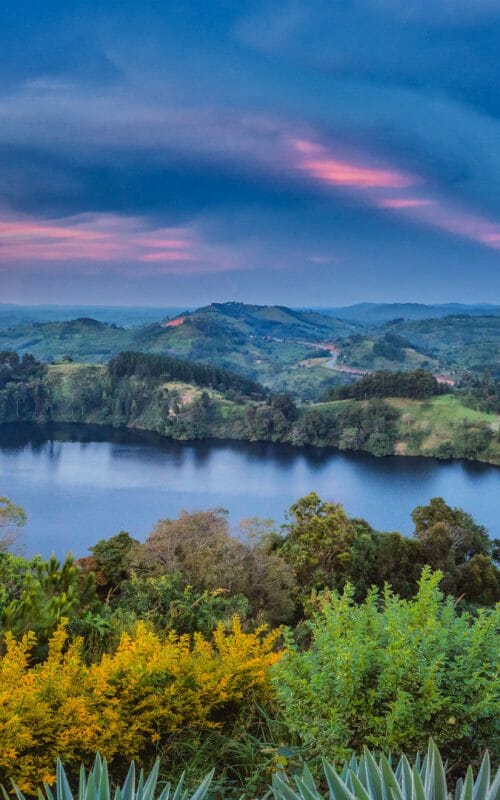

Gorilla Trekking
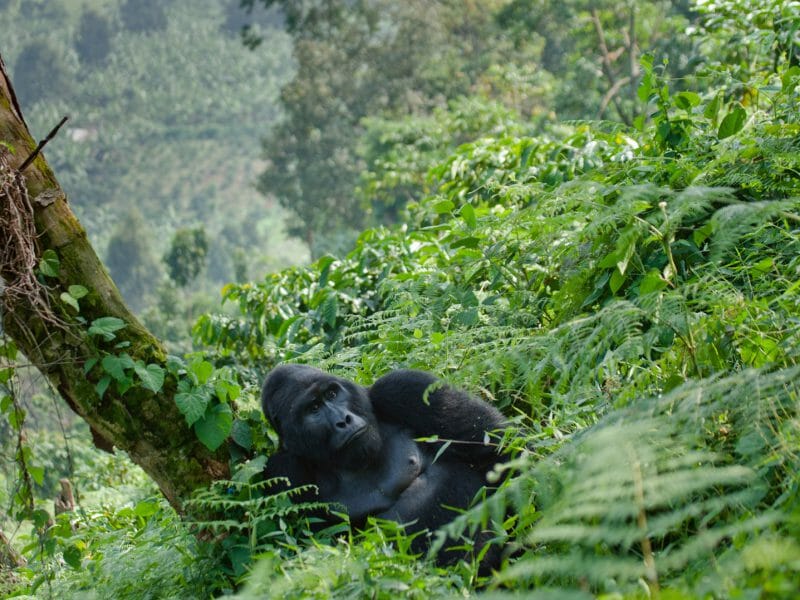
Watch groups of gorillas appear from the mists in pre-historic Bwindi.
Experience the diversity of Uganda, exploring three national parks on a journey that blends volcanic landscapes, endangered primates, arboreal big cats and colourful birdlife.
 1
1
Watch groups of gorillas appear from the mists in pre-historic Bwindi.
 2
2
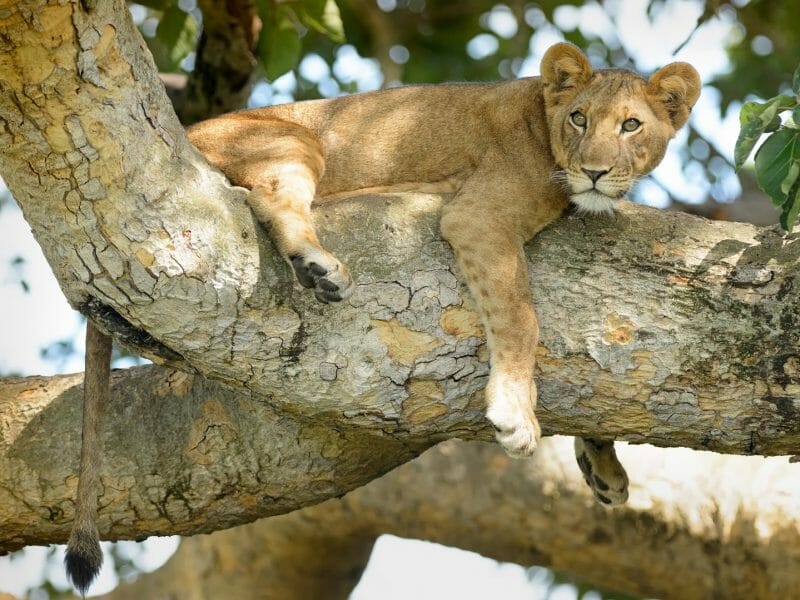
Spot Queen Elizabeth National Park’s unusual tree-climbing lions.
 3
3
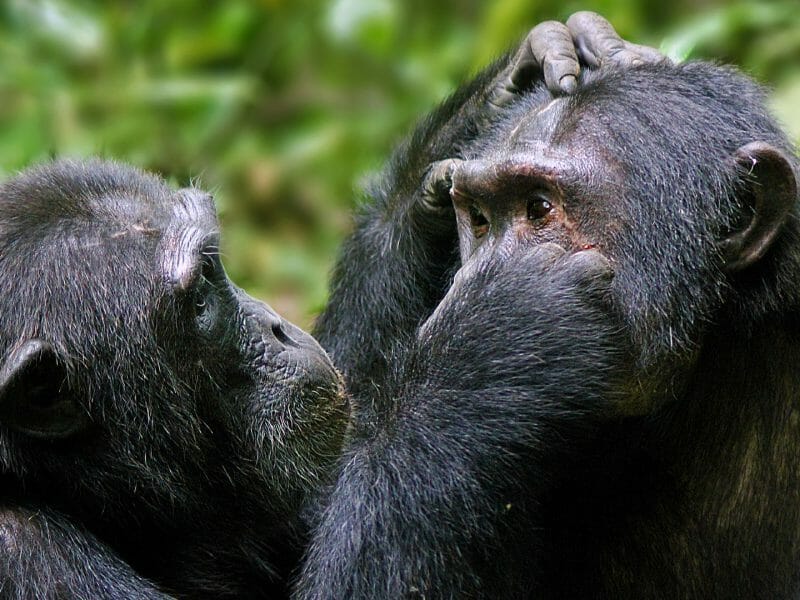
Encounter troops of chimpanzees in the shady forests of Kibale and Kyambura Gorge.

Cruise the Kazinga Channel, spotting wildlife on the banks and in the water.


Wild savannah, dense rainforests and volcanic craters make this a trip of spectacular landscapes, as well as diverse wildlife. For a relatively small country, Uganda packs a huge amount of variety. Although this holiday only visits three national parks, it successfully showcases the best of Uganda, with experiences ranging from chimp and gorilla trekking to birding and community visits.
Day 1
Entebbe - Kibale
Day 2
Kibale
Day 3
Kibale - Queen Elizabeth National Park
Day 4
Queen Elizabeth National Park
Day 5
Queen Elizabeth National Park - Bwindi Impenetrable National Park
Day 6
Bwindi Impenetrable National Park
Day 7
Bwindi Impenetrable National Park - Entebbe
Day 1
Entebbe - Kibale
Day 2
Kibale
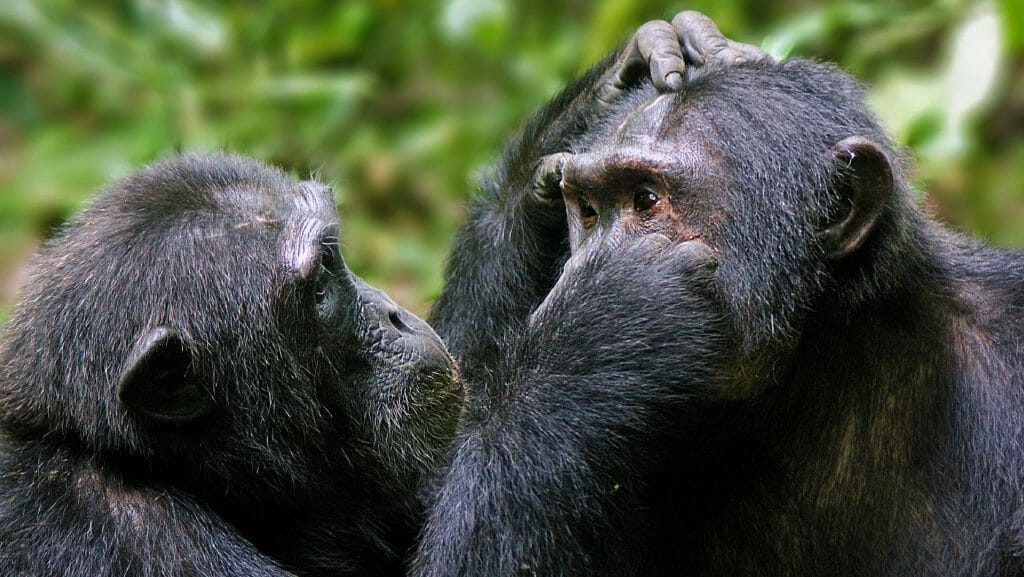
Encounter troops of chimpanzees in the shady forests of Kibale and Kyambura Gorge.
Day 3
Kibale - Queen Elizabeth National Park

Cruise the Kazinga Channel, spotting wildlife on the banks and in the water.
Day 4
Queen Elizabeth National Park
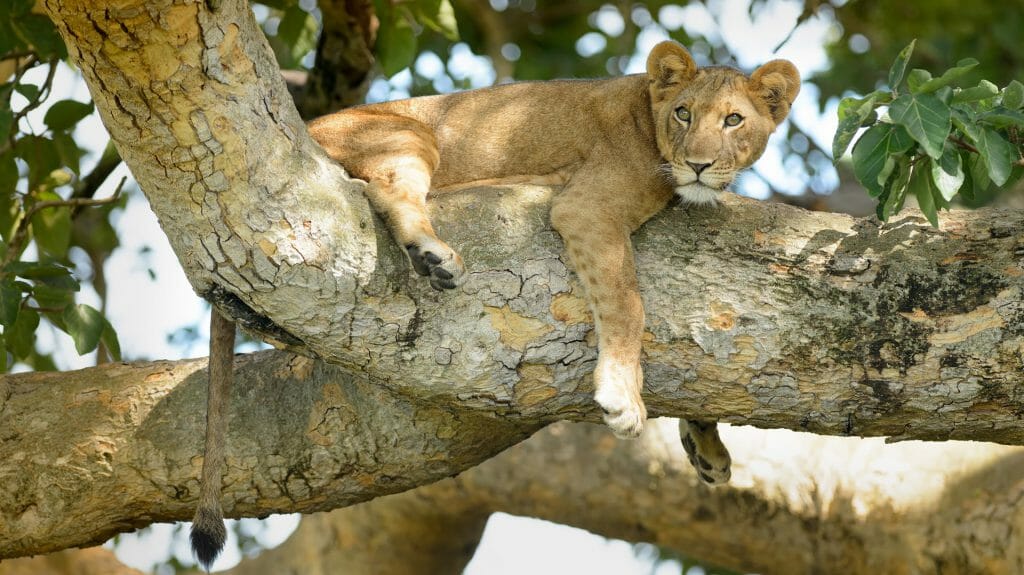
Spot Queen Elizabeth National Park’s unusual tree-climbing lions.
Day 5
Queen Elizabeth National Park - Bwindi Impenetrable National Park
Day 6
Bwindi Impenetrable National Park
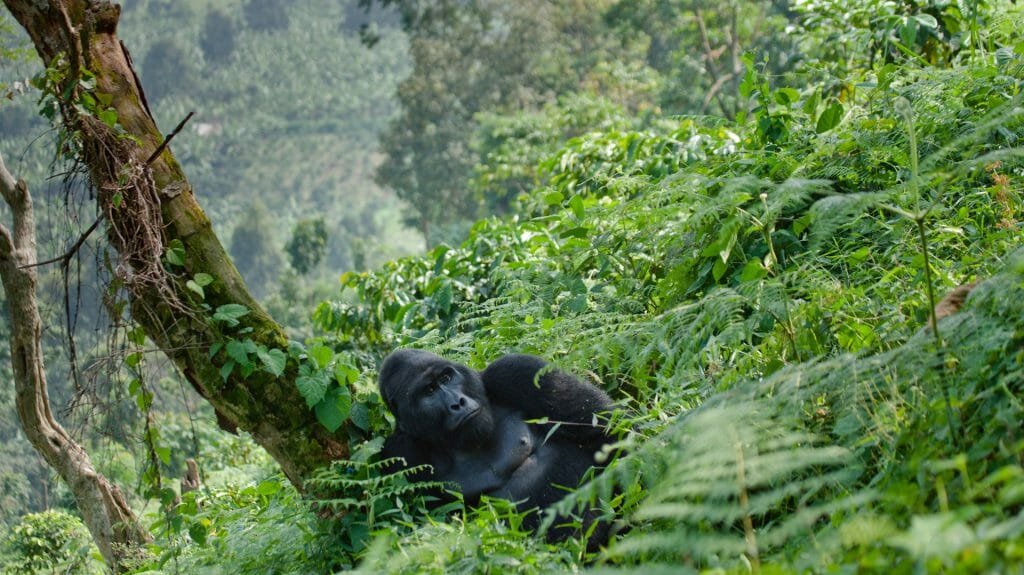
Watch groups of gorillas appear from the mists in pre-historic Bwindi.
Day 7
Bwindi Impenetrable National Park - Entebbe

Explore primate-rich Kibale Forest National Park, which plays host to 13 primate species including the red colobus and L’Hoest’s monkey. The most accessible of Uganda’s major rainforests, it is home to 335 species of birds, whilst forest elephants and the giant forest hogs can occasionally be spotted.
The major attraction here, however, is the chimps. Head into the forest at first light to search for a habituated group of these endangered primates. Watch as they forage and explore, on the ground and in the trees. Raucous and misbehaving, they are far more expressive than their gorilla cousins.
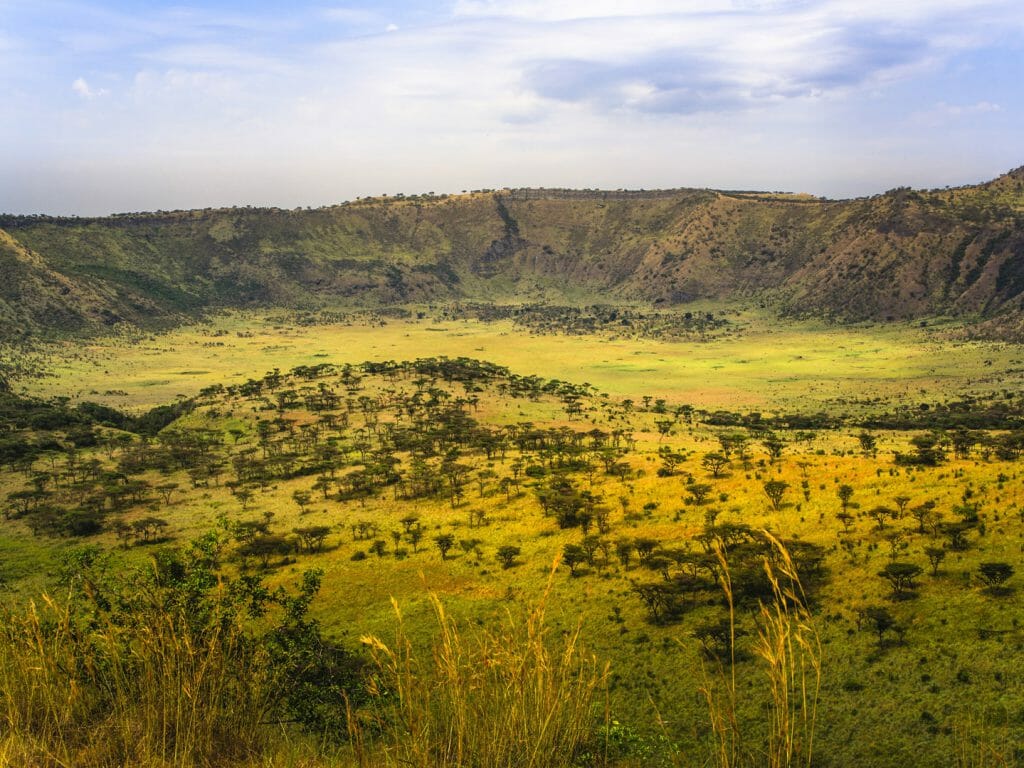
Bordering the vast Lake Edward, this beautiful wilderness is home to Uganda’s greatest populations of big game and birdlife. From volcanic craters and grassy plains to stunning tropical forests and rich wetlands, there is a remarkable diversity of landscapes.
Cruise along the Kazinga Channel, where elephants and buffalos come to drink. Take game drives across the various ecosystems, spotting Ugandan kob and tree-climbing lions. Trek in the beautiful Kyambura Gorge, in search of chimpanzees – a very different experience to Kibale.
Finish by joining resident researchers on a morning game drive, as they track lions. Benefit not only from their knowledge but also from their ability to drive off-road – not usually possible in the park.

Continue on to Bwindi Impenetrable Forest, where you cross the equator, through scenic open savannah, dotted with giant euphorbia trees and traditional villages. Covered in thick tropical rainforest and often shrouded in mist, Bwindi provides the perfect habitat for mountain gorillas.
Spread over a series of steep ridges and valleys, the park looks the part. Having survived the last ice age, it is considered one of the most diverse forests in Africa. The birding here is big and colourful, the forest dark and inviting and the sense of adventure palpable.
Away from the gorilla, take guided walks, visit local communities and have the chance to spend time with the Batwa pygmies, once residents of the forest.

Bwindi Impenetrable Forest is home to one of just two surviving populations of endangered mountain gorillas. Set out on foot to track down one of several habituated families, led by one of the park rangers.
After several hours of trekking, draw close to the gorilla family. Leaving bags behind, and holding cameras at the ready, creep closer and enter their domain. Spend an hour amongst the mountain gorillas, as they play, groom and eat. Watch as youngsters roll through the lush grass and see the dominant silverback stalk through his relaxed family.
Prices will vary depending on the time of year you are travelling. Prices do not include international flights. Please ask one of our Travel Experts for an accurate quote. Flights purchased through Steppes Travel departing from the UK are ATOL protected.
From December until the end of February the weather is typically drier, although showers are still very possible. This is the hottest time of year and can feel very tropical. However, the altitude means that temperatures remain manageable and still drop quickly at night.
From December until the end of February the weather is typically drier, although showers are still very possible. This is the hottest time of year and can feel very tropical. However, the altitude means that temperatures remain manageable and still drop quickly at night.
The long rains begin in March and last until May. During this time, road travel can be a challenge and delays are frequent. However, gorilla trekking continues unaffected, although you should expect to get wet and muddy.
The long rains begin in March and last until May. During this time, road travel can be a challenge and delays are frequent. However, gorilla trekking continues unaffected, although you should expect to get wet and muddy.
The long rains begin in March and last until May. During this time, road travel can be a challenge and delays are frequent. However, gorilla trekking continues unaffected, although you should expect to get wet and muddy.
The coolest and driest time of year is between June and early September. This is one of the most popular times to visit, although both mornings and evenings can be very chilly at higher altitudes.
The coolest and driest time of year is between June and early September. This is one of the most popular times to visit, although both mornings and evenings can be very chilly at higher altitudes.
The coolest and driest time of year is between June and early September. This is one of the most popular times to visit, although both mornings and evenings can be very chilly at higher altitudes.
The short rains arrive in late September and continue until November. However, travel is still possible and the overcast skies can make for some fantastic photographs.
The short rains arrive in late September and continue until November. However, travel is still possible and the overcast skies can make for some fantastic photographs.
The short rains arrive in late September and continue until November. However, travel is still possible and the overcast skies can make for some fantastic photographs.
From December until the end of February the weather is typically drier, although showers are still very possible. This is the hottest time of year and can feel very tropical. However, the altitude means that temperatures remain manageable and still drop quickly at night.
Our experts have created and curated these tailor-made holiday ideas to get you started. Take the time to search through them and find something that is the spark for your unique adventure.
Our knowledge, curiosity and expertise set us apart, driving us to create remarkable holidays and Beautiful Adventures tailored perfectly to you, carefully curated to help protect and conserve our planet.
Are you ready to Discover Extraordinary?





