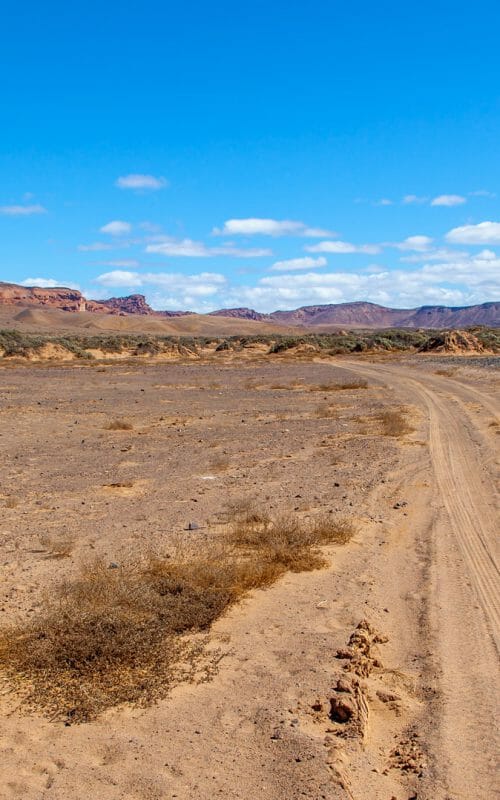
Deadvlei Salt Pan, Sossusvlei, Namibia

The best time to visit Namibia

The best time to visit Namibia is between May and October, during the dry season. Namibia’s wildlife, feeling the pressure of these drier months, congregates around the dwindling waterholes and permanent sources of water, making for spectacular watching. You can expect to see the likes of elephants, giraffes, lions and rhinos. It can be a bit chillier in the evening, so make sure to bring plenty of light layers with you. January to February is the birthing season in Namibia, with chances of newborn sightings extending into March.

Explore the best time to visit

  • Jan
  • Feb
  • Mar
  • Apr
  • May
  • Jun
  • Jul
  • Aug
  • Sep
  • Oct
  • Nov
  • Dec

Visiting Namibia in January

low season

January is the peak of the summer with hot and humid conditions broken by thundery downpours in most afternoons. Expect highs of 30-35°C, but it can top 40°C in the Namib Desert. This is the wet season, so visitor numbers will be lower and it can be more challenging to spot wildlife, with animals trying to escape the heat in the shade and thick vegetation. Although, the wet season is a fantastic time for keen birders. The coast, like Swakopmund and Walvis Bay, can offer a reprieve from the heat, but this may be busy with domestic travellers. Roads may be flooded in the Zambezi region (previously Caprivi Strip) and with high levels of rainfall, there’s a higher malaria risk.

If you do decide to travel to Namibia in January, it’s best to explore the coast and the southern regions. Why not embark on a Skeleton Coast flying safari?

Flamingos

Newborns

Visiting Namibia in February

low season

This is one of the wettest months of the year in many parts, especially in the north of the country. Wildlife is spread out, so game viewing is not at its best, but you may catch a glimpse of newborn zebras or springbok. With hot and humid temperatures, animals hide in the shade and thick vegetation away from watering holes. Temperatures can reach 30-35°C and afternoon thunderstorms are common in central and northern Namibia. The Zambezi region (previously the Caprivi Strip) still experiences high rainfall so we recommend avoiding this area and opting for places like Swakopmund and southern regions.

Skeleton Coast

Flying safari

Visiting Namibia in March

low season

The rains start to ease off towards the end of March, but it can still be hot with temperatures hovering around 29°C. Wildlife may be spread out, with vegetation obstructing game viewings, but this is the final month you’ll be able to spot newborns taking their first steps in the wild. Coastal areas, like Walvis Bay and Swakopmund, are good options for March travel. Even though March doesn’t fall in Namibia’s peak season, it can be busy with families depending on where Eastern holidays fall.

Birding

Skeleton Coast

Visiting Namibia in April

medium season

Temperatures start to cool in April to around 27°C and with days mainly remaining dry, the humidity starts to drop. It can be cooler in the evenings, around 13°C, and even cooler in the desert; make sure to pack plenty of thin layers. April is the start of the shoulder season, making this a fabulous time to enjoy Namibia with lower visitor numbers. Etosha National Park is lush and it can be easier to spot animals, but it’s still not prime time for game viewing as the recent rains mean there’s plenty of water around. The air in the Namib Desert is clear of dust and you may even see desert wildflowers in bloom.

Windhoek Karneval

Coastal activities

Visiting Namibia in May

medium season

May is the beginning of winter in Namibia. You can expect clear, blue skies across the country and plenty of sunshine. The days are dry and water sources are starting to dry up, although it’s still not peak time for game viewing. Wildlife in Etosha National Park moves towards the waterholes, making them easier to spot, but the landscapes are still colourful and the nights aren’t too chilly. Off peak rates may still be available in May and national parks can be quiet, but always expect Etosha to be busier than the others.

Balloon safari

Fish River Canyon

Visiting Namibia in June

high season

June is the start of the peak season in Namibia, with cool temperatures during the day and clear skies. Temperatures can drop close to freezing at night, particularly in the south and the weather is pleasant along the coast. The cooler temperatures are wonderful for exploring Fish River Canyon or climbing to the top of Dune 45 in the Namib Desert. Sparse vegetation and a lack of water mean that animals including lions, elephants, black rhinos and giraffes gather at waterholes making sightings easier. We recommend visiting in June if you want to avoid the crowds as parks are still relatively quiet.

Wildlife viewing

Stargazing

Visiting Namibia in July

high season

Safari season peaks in July with dry conditions and comfortable temperatures. Spot impala, the Damara dik-dik, mountain zebra, hyena and other desert adapted animals congregate around waterholes. This is the best time to see a wide range of wildlife in large numbers drinking together in one place. The vegetation that covered the desert earlier in the year is now gone. Temperatures in the desert can hit freezing, so make sure to pack plenty of layers for the evenings particularly if you want to make the most of the NamibRand Dark Sky Reserve. July opens up the entire of Namibia for exploring, from the Skeleton Coast, Kalahari Desert and Namib Desert to Damaraland, Fish River Canyon and the Zambezi region (previously the Caprivi Strip). Expect peak season prices in July and make sure to book well in advance to secure your top accommodation and experience choices.

Bird watching

Wildlife watching

Visiting Namibia in August

high season

August is the coldest and driest month with temperatures hovering around 21-25°C – perfect for experiencing everything Namibia has to offer. With few water sources in Etosha National Park, you’ll find a mix of species congregating around one waterhole. Watch as elephants bathe metres away from thirsty zebras and giraffes. Search for black rhinos in the grassland and spend your evenings stargazing. Spend time exploring the Skeleton Coast or the dunes of Sossusvlei. With less water around, there’s a reduced risk of malaria but make sure to still take precautions. Pack plenty of layers for the evenings, particularly in the desert. August is one of the busiest months in Namibia; we recommend booking as far as possible in advance.

Damaraland

KUSKA Caste Carnival

Visiting Namibia in September

high season

This is the last of the winter months in Namibia; temperatures remain cool and skies are clear. Game is easy to see, with large numbers congregating around waterholes, making this a popular time to visit. European bee-eaters migrate to the Zambezi region (previously the Caprivi Strip) of Namibia to breed, making this a wonderful time for bird watchers. September is a great time for exploring coastal towns; spend time in Walvis Bay whale and dolphin watching or venture to the Cape Cross Seal colony. For those with an interest in astronomy, September still has clear skies and warmer evenings for stargazing. The middle to the end of the month is quieter, with school holidays ending in Europe.

Sossusvlei

Deadvlei Salt Pans

Visiting Namibia in October

medium season

Temperatures start to rise in October as summer arrives. Skies are mostly clear but there may be the odd shower; it will remain mainly dry in most of the country. Wildlife is still in abundance and everywhere is still accessible. Spot prides of lions drinking at the waterholes, elephants bathing and lines of zebras quenching their thirst. There may be more dust during game drives, so make sure to pack a scarf to cover your face. The nights are slightly warmer in October, but we still recommend packing warmer layers for the evenings.

Whale watching

Zambezi region

Visiting Namibia in November

medium season

After a long period of dry weather, the rains start to arrive in November. Temperatures start to rise and weather can be more unpredictable. The ground is still fairly baked, so it’s still easy to spot large game around the waterholes. If you don’t mind whether you have clear skies, thunderstorms or hot sunny days, November can be a great time to visit. Skies may not be as clear at night, making for limited stargazing opportunities.

Whale watching

Dramatic skies

Visiting Namibia in December

low season

The wet season officially arrives in December. Skies can be clear in the mornings, but expect thunderstorms in the afternoon. Temperatures are on the rise, as is the humidity. As vegetation starts to thrive again, the breeding season begins but it also becomes more difficult to spot wildlife in the national parks.

Bird watching

Skeleton Coast

Namibia climate guide

Drag the slider to see monthly temperature and rainfall.

Jan
Feb
Mar
Apr
May
Jun
Jul
Aug
Sept
Oct
Nov
Dec
Maximum Temperature (°C) Monthly Rainfall (mm)
Damaraland
Fish River Canyon
Etosha National Park
Skeleton Coast
Sossusvlei & Sesriem
Kalahari region
Windhoek

Explore Namibia

  • Damaraland
  • Fish River Canyon
  • Nkasa Lupala National Park
  • Skeleton Coast
  • Sossusvlei
  • Kalahari region
  • Windhoek

Contact Us

Start planning your trip


Send us an enquiry

Complete our enquiry form and start your next journey.

Review Contact Form

Name(Required)

Why Choose Steppes?

Our knowledge, curiosity and expertise set us apart, driving us to create remarkable holidays and Beautiful Adventures tailored perfectly to you, carefully curated to help protect and conserve our planet.

Are you ready to Discover Extraordinary?


More about Steppes

01285 880 980