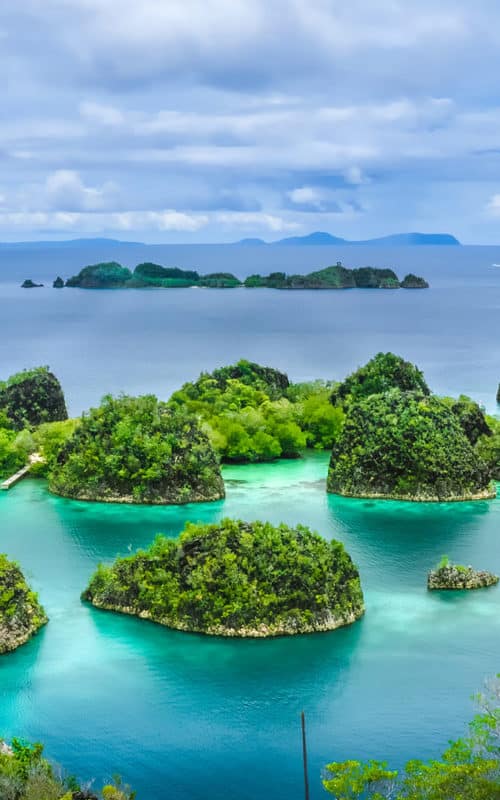
Raja Ampat, Indonesia

The best time to visit Indonesia

The best time to visit Indonesia is during the dry season from May to September when the overall conditions are best. During these months, regions like Bali, Java and Flores enjoy sunny skies, low humidity and calm seas, perfect for beach escapes, volcano hikes and cultural exploration. Wildlife viewing peaks too, from orangutans in Kalimantan and Sumatra to Komodo dragons in the east. 

Shoulder months like April and October balance good weather with fewer crowds, while off-season travel from November to March offers low prices and lush scenery, albeit with heavy rainfall in many areas. However, places like Raja Ampat and Maluku experience their driest weather during these wetter months, offering superb diving and cultural experiences. With such regional variation, the best time to visit depends on your priorities.

Explore the best time to visit

  • Jan
  • Feb
  • Mar
  • Apr
  • May
  • Jun
  • Jul
  • Aug
  • Sep
  • Oct
  • Nov
  • Dec

Visiting Indonesia in January

low season

Heavy rainfall affects much of Indonesia, particularly Java, Bali,and Kalimantan, with frequent downpours and high humidity. While beach conditions can be unpredictable in the south, northern Sumatra, Maluku and parts of Papua experience calmer, drier weather, making them ideal alternatives. Travel disruptions are possible due to flooding, especially in Java’s lowlands and rural Sumatra. It’s the off-season, so accommodation prices are lower, but packing waterproofs and patience is essential.

Raja Ampat
January is one of the best months to dive in Raja Ampat, where visibility is superb and plankton attract manta rays in great numbers. The reefs around Misool and Dampier Strait teem with marine biodiversity and enjoy calmer seas during this time.

Banda Neira, Maluku
With its dry-season peak reversed from the rest of the country, January is a prime time to visit the Spice Islands. Banda Neira’s colonial ruins, nutmeg plantations and volcanic backdrops shine in the clear skies.

Visiting Indonesia in February

low season

The wet season continues across much of Indonesia, with frequent thunderstorms and humid conditions. Lombok, Java and Bali remain relatively quiet, appealing to travellers seeking fewer crowds and lower costs. Northern Maluku, West Papua and parts of northern Sulawesi continue to offer pockets of more favourable weather. Road access can be tricky in rural areas, so flexibility is key.

Cap Go Meh Festival in Singkawang, West Kalimantan
Marking the end of Chinese New Year, this event fills the streets with dragon dances, processions and Tatung spirit mediums. It’s one of Indonesia’s most vibrant cultural spectacles, drawing participants from across Southeast Asia.

Ternate and Tidore, North Maluku
These volcanic isles offer calm seas in February and a fascinating blend of history and marine life. Explore coral gardens and WWII wrecks, with the added bonus of cultural immersion in the legacy of the spice trade.

Visiting Indonesia in March

medium season

Rains begin to ease in southern regions, particularly in Bali and Java, while northern areas remain favourable. March marks the transition into the dry season, making it a good time to get ahead of the crowds and enjoy lush landscapes. Hindu-majority Bali holds its most sacred celebration this month, Nyepi, the Day of Silence, which offers a truly unique experience for those seeking spiritual or cultural insight.

Nyepi and the Ogoh-Ogoh parades in Bali
Nyepi sees the entire island shut down for 24 hours of total silence. The night before, villagers parade towering demonic effigies (Ogoh-Ogoh) through the streets. It’s a time for reflection and an unforgettable immersion into Balinese culture.

Bukit Lawang, North Sumatra
As the rains taper off, trails become more accessible. March is a good time to trek through Gunung Leuser National Park in search of wild orangutans, amid rich birdlife and gibbon calls echoing through the canopy.

Visiting Indonesia in April

medium season

April signals the start of the dry season across Java, Bali, Lombok and southern Sumatra. Landscapes are lush after the rains, wildlife is increasingly active and conditions are excellent for photography and outdoor activities. It’s also the ideal month to get ahead of the summer crowds, with good availability and comfortable temperatures across most of the archipelago.

Komodo National Park, Flores
With calmer seas and clearer skies, April is ideal for sailing through Komodo’s dramatic isles. Trek to view Komodo dragons in Rinca, snorkel among coral gardens and watch thousands of flying foxes emerge at sunset near Kalong Island.

Tanjung Puting, Kalimantan
River levels are still high, making April perfect for klotok boat journeys through Tanjung Puting National Park. Orangutan sightings are frequent and the jungle is alive with birdlife and proboscis monkeys gathering by the water’s edge.

Visiting Indonesia in May

high season

May is one of the best months to visit Indonesia. Dry conditions dominate Bali, Lombok, Java and southern Sulawesi, while the forests of Sumatra and Kalimantan are accessible but still vibrantly green. Wildlife is active, seas are calm and many regions offer their best weather of the year.

Manta rays at Nusa Penida, Bali
Manta season peaks in May, with good visibility around Manta Point and Crystal Bay. Combine this with a land trip to the island’s rugged cliffs, secluded temples and white-sand beaches for a rewarding day trip from Bali.

Mount Bromo and Ijen, East Java
Cooler mornings and clearer skies make May a top month for volcano hikes. Catch sunrise at Bromo’s crater rim, then climb Ijen to see its eerie sulphur lake and witness the electric-blue flames at night.

Visiting Indonesia in June

high season

June offers consistently excellent conditions across Indonesia. It’s peak wildlife season, particularly for orangutans in Sumatra and Kalimantan, and for Komodo dragons in Flores. The dry season brings ideal trekking and diving conditions. Tourist numbers begin to rise, especially in Bali, but not yet at July levels.

Bali Arts Festival in Denpasar
Running from mid-June to mid-July, this island-wide celebration of dance, music and craftsmanship showcases Balinese heritage through dazzling daily performances, parades and exhibitions.

Baliem Valley, Papua
June marks the start of the dry season in Papua’s highlands. Trek through traditional Dani villages, cross rope bridges and marvel at stone-age cultures set against a backdrop of misty mountains and verdant fields.

Visiting Indonesia in July

high season

High season begins. Weather is excellent throughout Java, Bali, Nusa Tenggara and Sulawesi, with cooler evenings and almost no rainfall. Demand for hotels and flights increases significantly, particularly in Bali and popular areas of Java. Ideal for trekking, festivals and beach holidays.

Yadnya Kasada festival at Mount Bromo, East Java
Watch Tenggerese villagers hike up Mount Bromo to throw offerings into the crater, an extraordinary mix of faith, culture and volcanic drama. A pre-dawn hike puts you in position for both sunrise and ceremony.

Bunaken Marine Park, North Sulawesi
Visibility is at its peak in July, with warm, clear waters revealing dazzling coral walls and a rich array of reef fish, turtles and macro life. Combine diving with a visit to the highland cultures around Tana Toraja.

Visiting Indonesia in August

high season

Peak season continues, with dry, sunny conditions across the country. Cultural festivals are in full swing, including Indonesian Independence Day on 17 August. It’s a great time for trekking, cultural immersion and water-based adventures, though bookings need to be made well in advance.

Independence Day celebrations at the Istana Merdeka, Jakarta
Patriotic parades and performances unfold across the country, with Jakarta hosting the official flag-raising at the Presidential Palace – a grand affair featuring traditional attire and military ceremony.

Lakes and highlands of Flores
Dry weather makes this the best month to visit Flores. Trek to the tri-coloured lakes of Kelimutu at sunrise, explore remote highland villages and journey east toward Larantuka for unspoilt coastal views.

Visiting Indonesia in September

medium season

A shoulder month with excellent travel conditions and fewer crowds. It’s still dry in Bali, Java and much of the east, while Sumatra and Kalimantan remain accessible. It’s a great time to explore lesser-known islands and marine visibility is excellent for diving.

Alor Archipelago, East Nusa Tenggara
September’s calm waters and rich marine life make this an exceptional time to explore the Alor Islands. Expect pristine reefs, whale sightings and village visits to communities known for their ikat weaving traditions.

Way Kambas, South Sumatra
This little-visited park is home to elephants, rhinos and Sumatran tigers. Visit conservation centres and explore jungle trails in some of the most biologically rich forests in western Indonesia.

Visiting Indonesia in October

medium season

Rains begin returning to parts of Sumatra and Kalimantan, but Bali, Java and Nusa Tenggara still enjoy good weather. The high season is over, making it a smart time for quiet exploration. Conditions remain excellent for diving, hiking and inland cultural travel.

Wakatobi, Southeast Sulawesi
October offers warm, calm waters and exceptional visibility. This remote marine park is a paradise for underwater photographers, with pristine corals, pygmy seahorses and dramatic drop-offs.

Yogyakarta’s cultural heartland, Central Java
With manageable heat and thinner crowds, visit Borobudur and Prambanan temples, take a batik workshop and explore the Sultan’s Palace in this Javanese centre of art, tradition and resilience.

Visiting Indonesia in November

low season

The wet season returns to much of Indonesia. Java and Bali experience heavier rainfall, especially toward the end of the month, while Maluku begins to dry out. Travel is still possible with planning and cultural attractions and diving in the east remain appealing.

Spice Islands, Banda Sea
As the weather improves in Maluku, November is ideal for heritage-focused trips to Banda Neira and the surrounding isles. Explore Dutch forts, nutmeg plantations and marine life in clear waters.

Traditional villages in Toraja, South Sulawesi
Rainfall is moderate and the rice paddies are vibrantly green. Torajan funerary rites and elaborate cliff tombs offer a compelling look at one of Indonesia’s most unique cultures.

Visiting Indonesia in December

low season

Heavy rains dominate western Indonesia, but Raja Ampat and northern Maluku remain in their dry season. Crowds begin to return for festive holidays, particularly in Bali and popular diving areas. Plan early if travelling over Christmas or New Year.

Raja Ampat
This is one of the driest months in Raja Ampat, with fantastic visibility and a high chance of spotting manta rays, reef sharks and schooling fish. The islands also offer scenic karst landscapes and birdlife, including the red bird-of-paradise.

Christmas in Manado, North Sulawesi
With a large Christian population, Manado hosts joyful Christmas celebrations complete with lights, music and processions. Combine this cultural experience with diving in Bunaken or hiking in nearby highland villages.

Indonesia climate guide

Drag the slider to see monthly temperature and rainfall.

Jan
Feb
Mar
Apr
May
Jun
Jul
Aug
Sept
Oct
Nov
Dec
Maximum Temperature (°C) Monthly Rainfall (mm)
Bali
Jakarta
Komodo Island
Lombok
Sumba
Tanjung Puting National Park
Yogyakarta

Explore Indonesia

  • Bali
  • Jakarta
  • Komodo Island
  • Lombok
  • Sumba
  • Tanjung Puting National Park
  • Yogyakarta

Why Choose Steppes?

Our knowledge, curiosity and expertise set us apart, driving us to create remarkable holidays and Beautiful Adventures tailored perfectly to you, carefully curated to help protect and conserve our planet.

Are you ready to Discover Extraordinary?


More about Steppes

01285 880 980