
Beaches of Rio
Spend time in vibrant Rio de Janeiro, climbing Sugarloaf and relaxing on the beach.
This family-focused adventure journeys between the Pantanal, overflowing with enchanting mammals and camouflaged critters, to the thundering Iguacu Falls and coastal retreat of Praia do Forte, considering everything from soccer games to sea turtle hatching.
From riding bicycles along Copacabana Beach to wandering the forest trails around Iguacu Falls, and scouting for wildlife amidst the wetlands of the Pantanal, Brazil is an adventure mecca for families.

Spend time in vibrant Rio de Janeiro, climbing Sugarloaf and relaxing on the beach.

Spot jaguar, caiman and capybara in the vast wetlands of the Pantanal.
 3
3
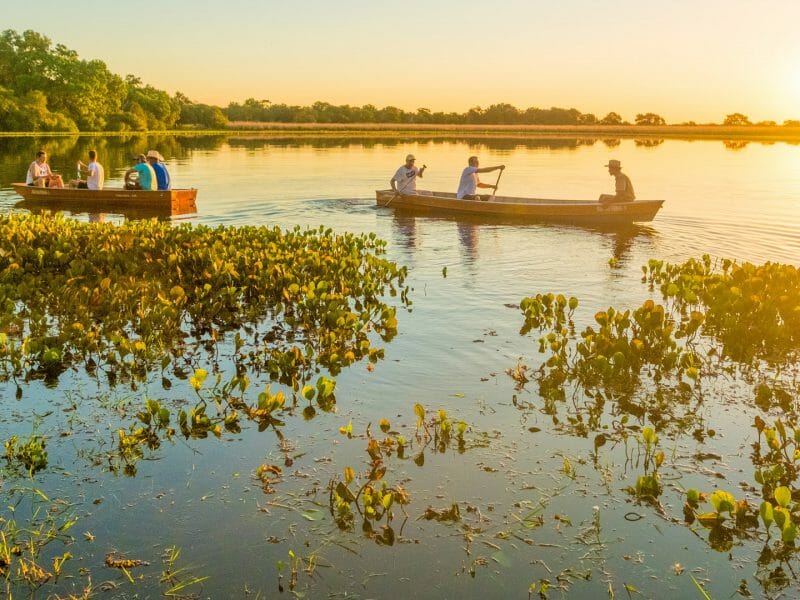
Explore the Pantanal Wetlands and scout for wildlife on foot, canoe, by 4×4 or on horseback.

Experience the magnificence of Iguacu Falls, crossing the border to the Argentinian side.


Day 1
Rio de Janeiro
Day 2
Rio de Janeiro
Day 3
Rio de Janeiro - Iguacu
Day 4
Iguacu
Day 5
Iguacu - Cuiaba - Pantanal
Days 6-7
Pantanal
Day 8
Pantanal - Cuiaba - Salvador - Praia do Forte
Days 9-11
Praia do Forte
Day 1
Rio de Janeiro
Arrive into Rio and transfer to your accommodation.
Day 2
Rio de Janeiro
Explore the city – hike up sugarloaf mountain and soak up the carnival atmosphere.
Day 3
Rio de Janeiro - Iguacu
Fly to Iguacu Falls.
Day 4
Iguacu
Experience the magnificent Iguacu Falls, perhaps crossing to see the Argentinian side too.
Day 5
Iguacu - Cuiaba - Pantanal
Fly to Cuiaba and travel into the vast wetlands of the Pantanal region.
Days 6-7
Pantanal
Explore the Pantanal Wetlands and view the wildlife on foot, by 4×4 and horseback.
Day 8
Pantanal - Cuiaba - Salvador - Praia do Forte
Fly to Salvador and onto the peaceful coastal town of Praia do Forte.
Days 9-11
Praia do Forte
Spend time relaxing in the sleepy fishing village of Praia do Forte with its beautiful beaches.
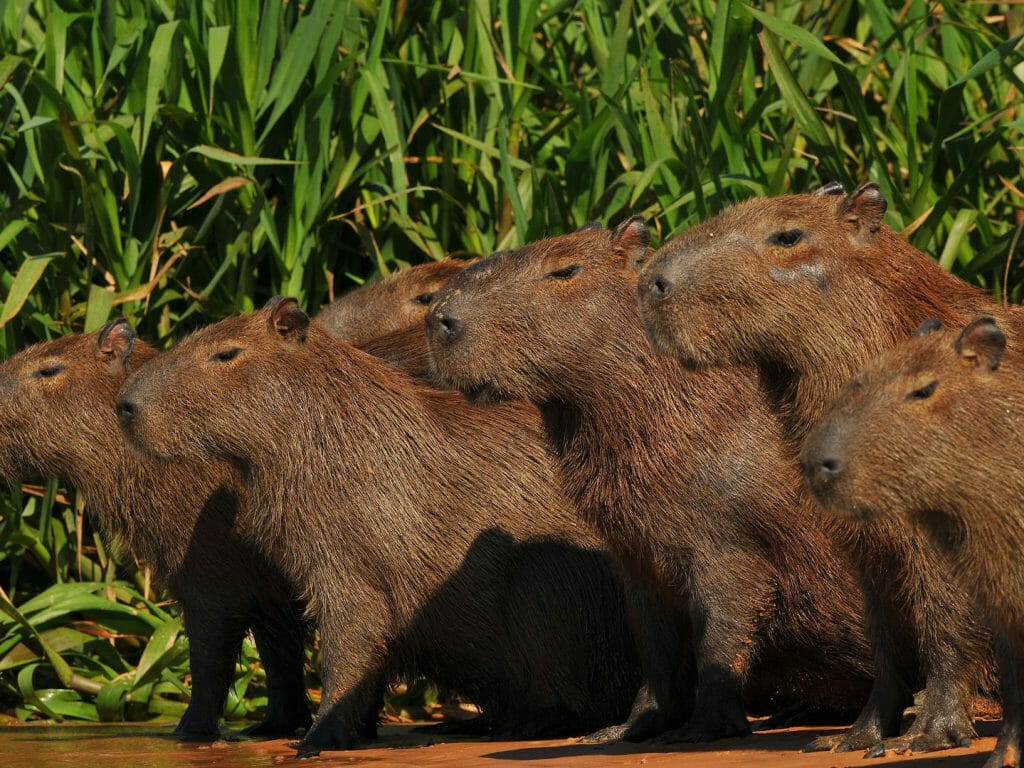
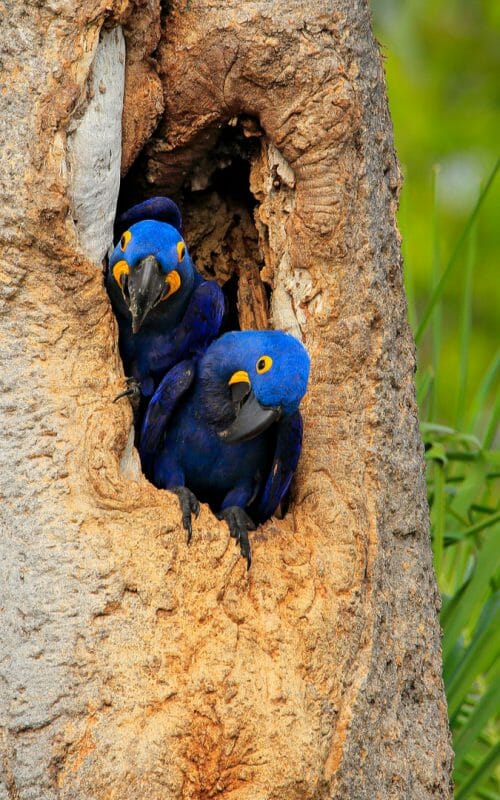
The Pantanal is an enormous region, encompassing an array of ecosystems including swamp, savannah grasslands and forest. The incredible wildlife found across these wetlands include hundreds of bird species such as the blue hyacinth macaw, mammals and reptiles including herds of capybara, giant otter, monkeys, ocelot, jaguar, the maned wolf and millions of caiman.
Send us an enquiry
Complete our enquiry form and start your next journey.
Prices will vary depending on the time of year you are travelling. Prices do not include international flights. Please ask one of our Travel Experts for an accurate quote. Flights purchased through Steppes Travel departing from the UK are ATOL protected.
January to March is the peak of summer across the country, with many locals having time off in February. Carnival often takes place at this time too. There is more rainfall in the Amazon and the south but it is also the warmest time of year across the country.
January to March is the peak of summer across the country, with many locals having time off in February. Carnival often takes place at this time too. There is more rainfall in the Amazon and the south but it is also the warmest time of year across the country.
January to March is the peak of summer across the country, with many locals having time off in February. Carnival often takes place at this time too. There is more rainfall in the Amazon and the south but it is also the warmest time of year across the country.
April and May is a good time to travel as temperatures drop a little. There is generally plenty of sunshine in the south, with the Amazon and Pantanal starting to receive a little less rain too.
April and May is a good time to travel as temperatures drop a little. There is generally plenty of sunshine in the south, with the Amazon and Pantanal starting to receive a little less rain too.
June and July is a great time to visit the south, especially around Rio and Sao Paolo. It is also a good time to visit the Amazon and Pantanal, with slightly lower temperatures and less rain. It is a wetter time for the north and east coast.
June and July is a great time to visit the south, especially around Rio and Sao Paolo. It is also a good time to visit the Amazon and Pantanal, with slightly lower temperatures and less rain. It is a wetter time for the north and east coast.
Between August and October is possibly the best time to visit the Amazon and Pantanal. It is still fairly dry in the south, but it can be cool in the evenings in Rio. It dries up in the north and remains warm.
Between August and October is possibly the best time to visit the Amazon and Pantanal. It is still fairly dry in the south, but it can be cool in the evenings in Rio. It dries up in the north, and remains warm.
Between August and October is possibly the best time to visit the Amazon and Pantanal. It is still fairly dry in the south, but it can be cool in the evenings in Rio. It dries up in the north, and remains warm.
November and December see the dry season comes to an end in the south, as temperatures heat up. November can be a great time to visit Rio as it is warmer but remains fairly dry. Rainfall increases again in the Pantanal and the Amazon.
November and December see the dry season comes to an end in the south, as temperatures heat up. November can be a great time to visit Rio as it is warmer but remains fairly dry. Rainfall increases again in the Pantanal and the Amazon.
Our experts have created and curated these tailor-made holiday ideas to get you started. Take the time to search through them and find something that is the spark for your unique adventure.
Our knowledge, curiosity and expertise set us apart, driving us to create remarkable holidays and Beautiful Adventures tailored perfectly to you, carefully curated to help protect and conserve our planet.
Are you ready to Discover Extraordinary?