
Visit Mount Nemrut
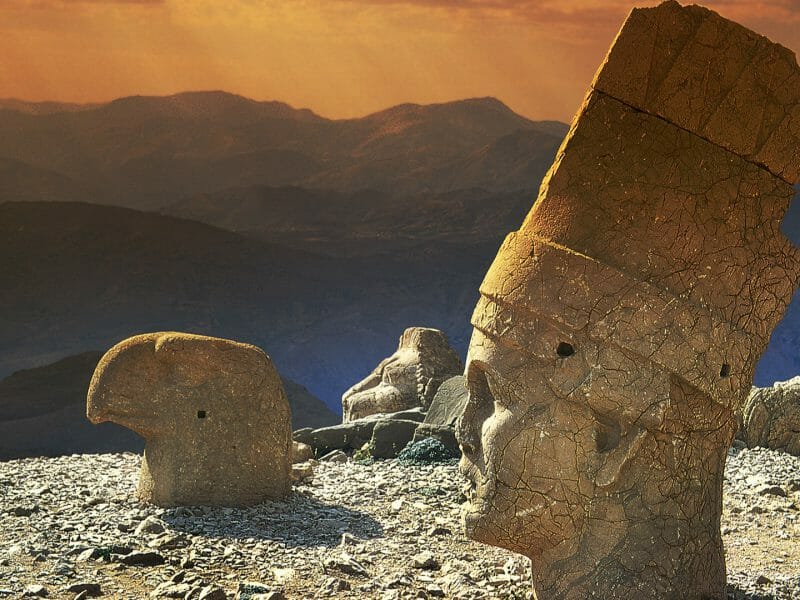
Wander around the huge stone heads scattered across Mount Nemrut.
Home to some of the most important and iconic archaeological sites found anywhere in the world, Eastern Turkey is a fascinating melting pot waiting for the intrepid traveller. Be lured by the walled city of Diyarbakir, Mount Nemrut and Göbekli Tepe, the world’s first temple.
Discover spectacular scenery, ancient civilisations and many biblical sites.
 1
1
Wander around the huge stone heads scattered across Mount Nemrut.

Wander through the flower-filled gardens and see the sacred pool of Abraham.
 3
3
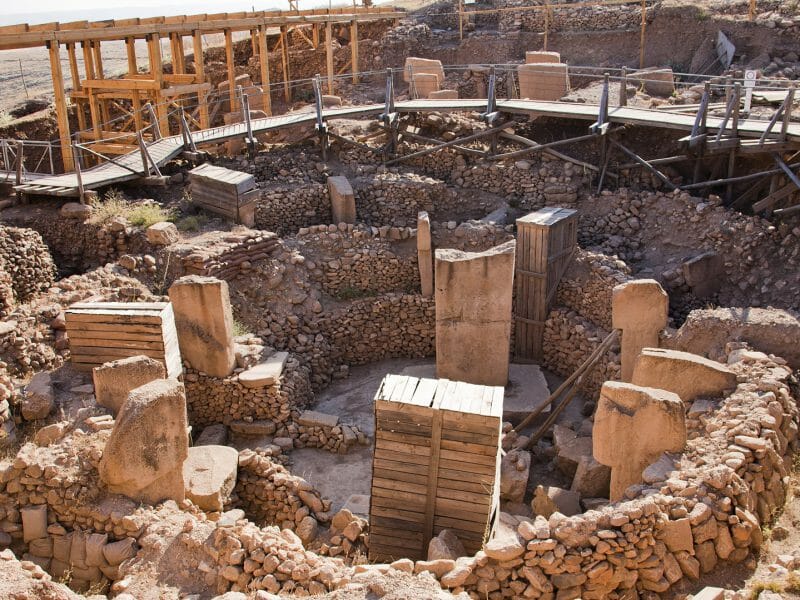
Gobekli Tepe is an important archaeological dig, containing the world’s oldest temple.

Take a boat ride across Lake Van to visit the 10th Century Armenian Cathedral.


This holiday suggestion to Eastern Turkey is for the most ardent culture vulture. Much less explored than the rest of Turkey this vast region offers so much to see and do, without the crowds. We have put together the best route to successfully and comfortably visit some of the most fascinating sites in the region, all the while sampling incredible cuisine and staying in some wonderfully atmospheric hotels. On the journey, you will be accompanied by our experienced and knowledgeable local guide who is not only informative but incredibly good company and will lift your experience of Eastern Turkey to another level.
Day 1
Istanbul - Gaziantep
Day 2
Gaziantep - Nemrut Dagi
Day 3
Nemrut Dagi - Sanliurfa
Day 4
Sanliurfa
Day 5
Sanliurfa - Diyarbakir
Day 6
Diyarbakir - Midyat
Day 7
Midyat
Day 8
Midyat - Van
Days 9-10
Van
Day 11
Van - Istanbul
Day 1
Istanbul - Gaziantep
Day 2
Gaziantep - Nemrut Dagi
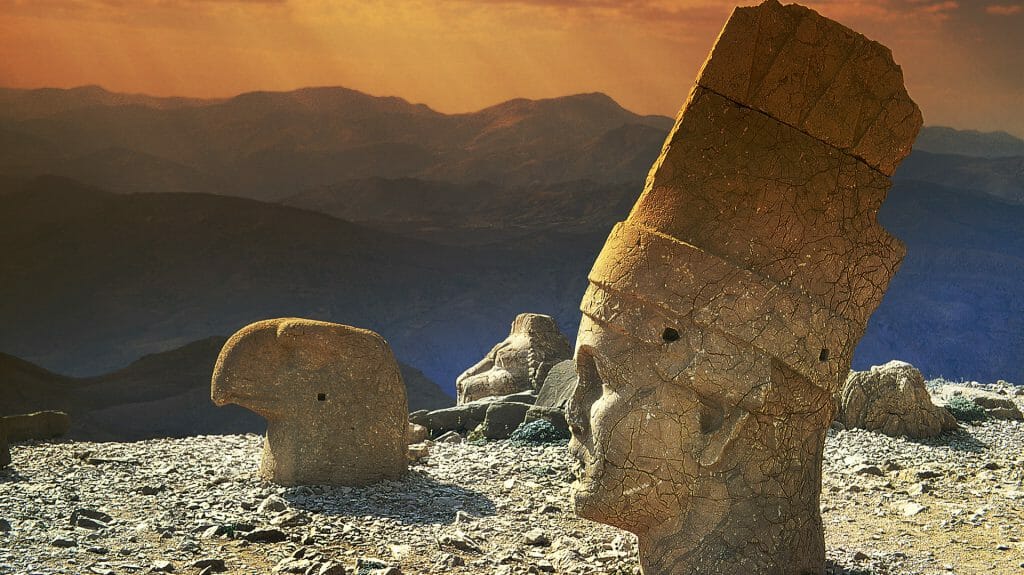
Wander around the huge stone heads scattered across Mount Nemrut.
Day 3
Nemrut Dagi - Sanliurfa
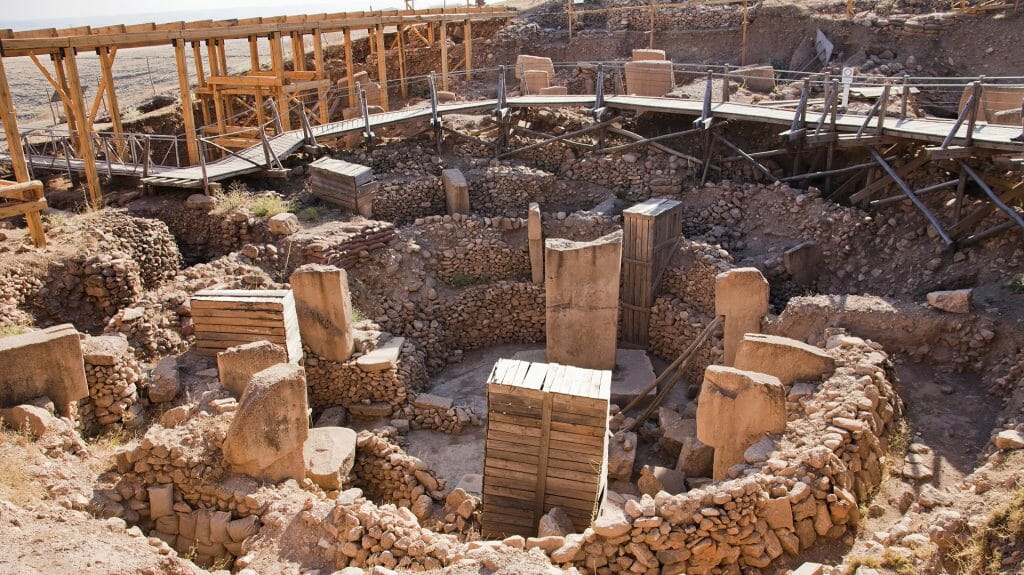
Wander through the flower-filled gardens and see the sacred pool of Abraham. Gobekli Tepe is an important archaeological dig, containing the world’s oldest temple
Day 4
Sanliurfa
Day 5
Sanliurfa - Diyarbakir
Day 6
Diyarbakir - Midyat
Day 7
Midyat
Day 8
Midyat - Van
Days 9-10
Van

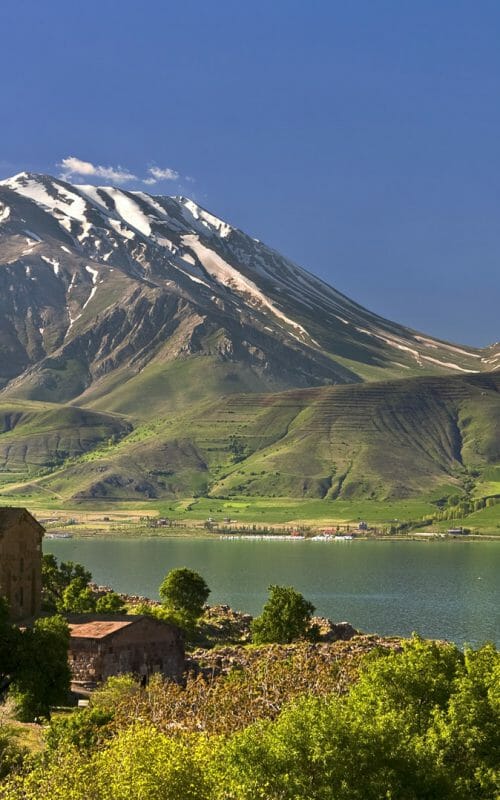
A relaxed lakeside town, Van is nestled in a tranquil setting, looking out over a lake and with snow-capped peaks visible in the distance.
Day 11
Van - Istanbul
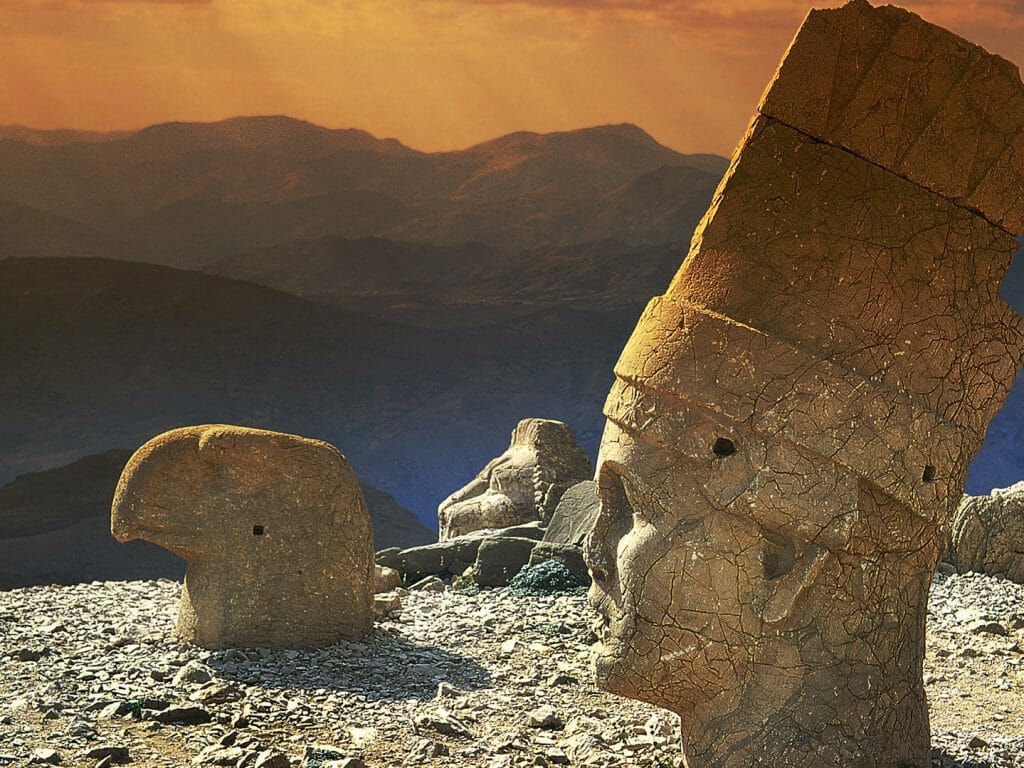
Standing at just over 2,000 metres, Mount Nemrut’s famous peak is decorated with an array of huge stone heads that sit on terraces cut into three sides of the mountain. Spend some time exploring this magnificent site, admiring the beautiful views and learning of King Antiochus I Theos of Commagene. Originally this tomb-sanctuary was flanked by huge statues – one of King Antiochus I, two lions, two eagles and various Greek, Armenian, and Iranian gods. Today, only the heads of the statues survive, but originally the figures were thought to stand up to 10 metres tall. Despite a number of excavations failing to find his tomb, it is still believed that the sanctuary contains the burial site of King Antiochus.
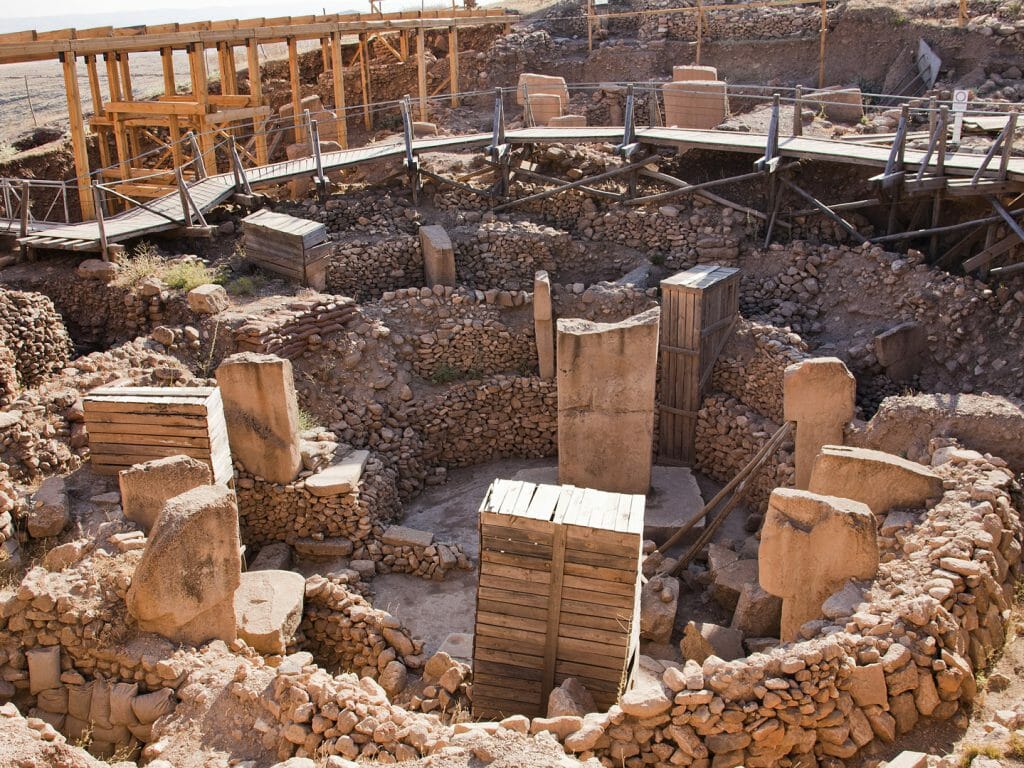
The discovery of Gobekli changes everything. Its discovery in the 1960s wasn’t considered as significant by archaeologists and it wasn’t until 1994 that the real truth of Gobekli came out. Subsequent exploration has now changed how we understand the rise of human civilisations. Believed to be a massive ancient temple, Gobekli Tepe is built out of pillars decorated with intricate sculptures of lions, scorpions and vultures. These are just the foundations to a bigger structure. The artwork and engineering is an incredible feat at any time, but this was achieved more than 11,500 years ago. To put it in perspective, Gobekli Tepe is 6000 years older than Stone Henge. It is truly a sight to behold.

Diyarbakir is a lively Kurdish-dominated walled city on the banks of the Tigris. The city is well worth exploring and we recommend visiting the Grand Mosque, one of the oldest mosques in Anatolia and Keldani Catholic Church, voted one of the most beautiful churches in Turkey. Also in the city is the Dört Ayaklý Minaret (Four-Legged Minaret) and Meryem Ana Kilisesi, the Church of the Blessed Virgin Mary, which is a part of a large monastic foundation.

A relaxed lakeside town, Van is nestled in a tranquil setting, looking out over a lake and with snow-capped peaks visible in the distance. Van has suffered more than its fair share of earthquakes, but the most striking of Van’s treasures has survived. This is the town’s Urartian Fortress, set upon a steep-sided bluff. During your stay, you tour the citadel and also take a boat trip to Akdamar Island, home to the beautifully restored 10th-century Armenian Cathedral of the Holy Cross.
Prices will vary depending on the time of year you are travelling. Prices do not include international flights. Please ask one of our Travel Experts for an accurate quote. Flights purchased through Steppes Travel departing from the UK are ATOL protected.
Temperatures can be as low as -9.C in some regions of Turkey, with snowfall likely. During the months of January and February, the country can be less crowded, although visiting the cities is a more popular option than coastal regions.
February will be marginally warmer than January, with the climate varying according to the region, due to the country’s sheer size. Some regions of Turkey will experience temperatures as low as 3.C, whereas other areas can see temperatures averaging 14.C.
Certain regions of Turkey will experience many days of rainfall, particularly on the south west coast. During springtime in Turkey, temperatures will be ideal for sightseeing in the big cities and with less crowds than in the months to come.
Springtime is an excellent month to travel to Turkey with temperatures in their low 20s on the south coast and longer days of sunshine, however it should be noted that in northern regions during April, they may experience more rainfall and cooler temperatures.
As spring draws to a close and the signs of summer begin, temperatures will continue to rise and yet be quieter than July and August, when many choose to visit on their summer holidays both to coastal destinations and the country’s top cities, including Istanbul.
On the Mediterranean coast, June will experience higher levels of humidity with warmer, temperatures and long days of sunshine. It will start to get busier at coastal resorts as the temperatures start to rise.
During the summer months, temperatures are high and most of Turkey’s regions will experience long, dry days of very little rain. The cities, including Istanbul, will be quieter as the summer is a popular time to visit coastal resorts.
Like any Mediterranean destination during the summer, Turkey will experience high temperatures, ideal for a summer holiday by the coast. If sightseeing in Turkey’s cities however, it may be less comfortable for some.
The Autumn months in Turkey will experience marginally cooler temperatures than those of July and August, however, will still be in the mid to high 20s, with minimal rainfall.
Whilst during the day, temperatures will be in the mid-20s, the evenings will be much cooler. Humidity levels will be much lower than the peak summer months but as Autumn continues, rainfall will be more frequent.
With the cooler climate throughout Turkey, it means that there will be fewer tourists travelling to the country. Winter will have begun in Eastern regions, even experiencing the first signs of snow, yet some coastal destinations will still see highs of 25°C.
In certain regions of Turkey during the winter months, particularly in mountainous areas and Eastern Turkey, temperatures can fall below zero and snowfall is likely.
Our experts have created and curated these tailor-made holiday ideas to get you started. Take the time to search through them and find something that is the spark for your unique adventure.
Our knowledge, curiosity and expertise set us apart, driving us to create remarkable holidays and Beautiful Adventures tailored perfectly to you, carefully curated to help protect and conserve our planet.
Are you ready to Discover Extraordinary?





