Visiting Zimbabwe in January
low season
Zimbabwe begins the year in the heart of its green season. Rainfall is frequent, particularly in the afternoons, creating vivid, green landscapes for spectacular photographic backdrops. While this isn’t peak safari time, it’s a great month for keen birdwatchers and those seeking quieter, lower-cost travel. The rains also usher in the breeding season, so expect young animals, especially in the Zambezi and Eastern Highlands regions.
Migratory birds in full plumage
January is exceptional for birding across Zimbabwe, with over 650 species recorded countrywide. Wetlands and riverbanks around Lake Chivero and Mana Pools attract migratory species such as the African pitta and woodland kingfisher, as well as raptors taking advantage of abundant prey.
Mountain trails
The Chimanimani and Bvumba ranges come alive with misty mornings and verdant trails. The cooler temperatures make for comfortable walking. Expect waterfalls in full flow and rare orchids in bloom.
Visiting Zimbabwe in February
low season
The rains continue across Zimbabwe in February, keeping landscapes lush and crowd levels low. Travel in remote areas can be affected by muddy roads. Safari activity is limited but not impossible, with permanent lodges in Hwange and Zambezi still offering game drives. Hwange can be a great safari location in February, with great viewing opportunities and a mini migration – a rare, rainy season treat. This is also a culturally significant time, with school holidays and local festivals bringing a buzz to urban centres.
Victoria Falls
By late February, the Zambezi River is swelling and Victoria Falls begins its dramatic transformation. Though peak flow comes in April, the early surge is thrilling, with fewer visitors, excellent rainbow displays and access to both Zimbabwean and Zambian viewpoints.
Harare
Urban travel is ideal now. Galleries such as the National Gallery of Zimbabwe host seasonal exhibitions and markets like Mbare burst with colour, music and handmade crafts.
Visiting Zimbabwe in March
low season
March marks the transition from wet to dry season. The rains begin to taper, but landscapes remain rich and green. Travelling is more manageable than in earlier months, with improved road conditions and less oppressive humidity. Wildlife remains elusive in dense bush, but migratory birds are still present and cultural travel is rewarding.
Photography
For photographers and nature lovers, March offers saturated colours, flowering landscapes and dramatic skies. The Eastern Highlands are especially scenic, with Nyanga’s rolling hills and waterfalls framed by late-summer light.
Great Zimbabwe
The archaeological site of Great Zimbabwe is surrounded by greenery and quieter than during peak months. This UNESCO World Heritage Site is more atmospheric now, with local guides offering deeper insight into Shona history and symbolism with fewer tourists around.
Visiting Zimbabwe in April
medium season
April sees the start of Zimbabwe’s dry season. Skies are clearer, nights cooler and humidity drops. It’s an excellent month for combining cultural exploration, soft adventure and the first rewarding safaris of the year. Fewer tourists and stable weather make this a solid all-round choice. Zimbabwe’s Christian-majority population makes Easter a major occasion. Join processions, special church services, or enjoy local hospitality in places like Masvingo or Bulawayo. Guesthouses fill with domestic travellers, giving April a gentle, communal energy.
Matobo Hills
Explore the spiritual landscapes of Matobo, with ancient rock paintings, balancing boulders and views from World’s View, Cecil Rhodes’s resting place. Rhino tracking on foot is possible in dry weather, making April ideal.
Chinhoyi Caves
A group of limestone and dolomite caves in north-central Zimbabwe. Renowned for its extensive tunnels and the ‘sleeping pool’, the caves hold historical, cultural and religious significance for the Shona people.
Visiting Zimbabwe in May
medium season
May is a sweet spot for travellers. The air is dry and crisp, landscapes are still green from the rains and the safari season begins to take off in earnest. Wildlife viewing improves, while prices and crowds remain manageable. Held in Bulawayo, the Zimbabwe International Trade Fair showcases not just business, but music, fashion and visual arts. Local designers and craftspeople exhibit their work, offering insight into the country’s contemporary creativity.
Hwange National Park
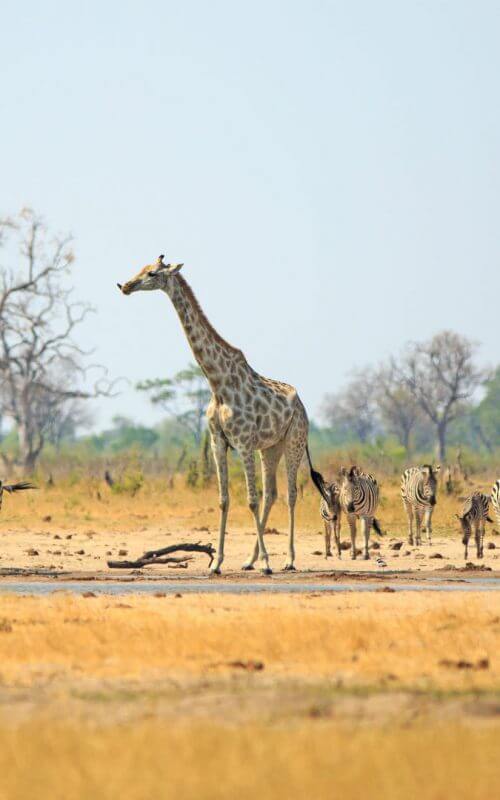
Hwange begins to shine in May. As water sources dwindle, animals start gravitating towards waterholes. Expect elephants, zebras and predators in increasing numbers, with open plains allowing excellent visibility.
Matusadona
Embark on a walking safari through the national park to learn about the local ecology and the signs for tracking wildlife. Matusadona is a haven for birdwatchers, with a variety of habitats and bird species.
Visiting Zimbabwe in June
high season
Winter arrives in Zimbabwe with chilly mornings and clear skies. It’s the start of peak safari season. Wildlife congregates near water, vegetation thins and conditions are perfect for multi-region adventures. Head to Nyanga in the Eastern Highlands. Crisp days are perfect for hiking to Mount Nyangani’s summit or relaxing by trout streams and forest trails. Boutique lodges offer peaceful escapes.
Mana Pools
Mana Pools opens for the season in June. Its wild terrain, combined with walking safaris and canoe trips on the Zambezi, offers unmatched immersion. With fewer visitors than better-known parks, it feels remote and pristine.
Chilojo Cliffs
Explore the dramatic cliffs of Gonarezhou National Park for spectacular views of the Runde River Valley and venture out on game drives to spot wildlife like elephants, lions and leopards.
Visiting Zimbabwe in July
high season
Zimbabwe hits its stride in July. The weather is at its most predictable: cool mornings, warm days and virtually no rain. Safari is superb and cultural events begin to surface. It’s peak season, so early bookings are essential. The Harare International Festival of the Arts typically runs in July, featuring music, theatre, dance and spoken word from across Africa and beyond. It’s a highlight of Zimbabwe’s cultural calendar, drawing global talent and diverse audiences.
Hwange safaris
Hwange is alive with wildlife and activity. Lions are frequently spotted, elephants cluster around waterholes and large herds roam freely. Early morning game drives are brisk, so layers are essential. Why not venture out on a night drive, listening to the sounds of the bush as nocturnal wildlife awakens.
Canoe the Zambezi
With calmer waters comes the opportunity to canoe down the Zambezi, observing wildlife along its banks.
Visiting Zimbabwe in August
high season
Dry, sunny and bustling, August is a popular time for both international and local travellers. Parks are at their peak and river levels are low, revealing new rafting opportunities. Despite crowds, Zimbabwe’s vastness keeps it feeling open and wild.
Zambezi Rapids
White-water rafting season kicks off below Victoria Falls. Class V rapids, towering gorge walls and expert guides create one of the world’s most thrilling river adventures – not for the faint-hearted.
Chimanimani
The Chimanimani Arts Festival brings music, poetry and local food to this remote mountain town. Between performances, hike forested ridges or visit community-run craft workshops that support women’s collectives and conservation.
Visiting Zimbabwe in September
high season
Temperatures rise and vegetation thins further, making this one of the best months for wildlife. Water sources are scarce, bringing animals into dramatic concentrations. It’s hot, dry and perfect for classic game-viewing itineraries. Zimbabwe’s largest urban arts festival, Shoko Festival, takes place in Harare, showcasing hip-hop, comedy, spoken word and digital innovation. It’s a bold, youthful counterpoint to the more traditional image of Zimbabwean culture.
Elephants in Hwange
Hwange’s famed elephant herds peak in visibility. At places like Nyamandhlovu Pan, it’s not uncommon to see 200+ elephants at once. Lodges offer hides and photography blinds for quiet observation.
Wild dogs
Walk with wild dogs in Gonarezhou National Park between May to October for a safari experience unlike any other.
Visiting Zimbabwe in October
high season
Zimbabwe’s hottest month, October can be intense, especially in the lowlands but it also delivers the most spectacular game viewing of the year. Afternoon temperatures soar, so early and late activities are best.
Predators on the hunt
Wildlife is at its most concentrated – and desperate. Lions and wild dogs take advantage of prey congregating at shrinking waterholes. Photographers thrive on dramatic scenes and golden evening light
Lake Kariba
Houseboat trips on Lake Kariba offer respite from the heat. Drift past crocodiles, hippos and elephant herds on the shore, with fishing, swimming (in netted areas) and sundowners over glassy water.
Visiting Zimbabwe in November
medium season
The rains return, usually mid to late month. This is the “emerald shoulder”: dramatic skies, electric storms and the first burst of greenery. It’s also birthing season, with young antelope and impala on the plains. Traditional music festivals honour the mbira, Zimbabwe’s iconic thumb piano. Whether in community halls or rural villages, these gatherings feature trance-like performances, storytelling and dance, often timed with ancestral remembrance ceremonies.
Rebirth
Hwange and Mana Pools start transforming: dust turns to shoots and young animals begin to appear. Predators are more active, taking advantage of inexperienced prey. It’s a dynamic, unpredictable time for wildlife.
Bulawayo
Witness the city’s vibrant jacaranda and flamboyant trees in bloom during November.
Visiting Zimbabwe in December
low season
The festive season coincides with peak rains. Travel is slower and safari viewing harder, but cultural travel, family holidays and spectacular scenery keep Zimbabwe relevant. Lush landscapes return and lodges dress up for Christmas.
Christmas by the falls
Victoria Falls becomes a family hub in December, with lodges offering festive feasts, carol evenings and firework displays. Between storms, boat cruises and scenic flights remain possible, if weather allows.
Mountain Trails
In the Eastern Highlands, December brings orchids, waterfalls and rainforest walks shrouded in mist. Fly-fishing is still viable in cooler streams and the Bvumba Botanical Gardens are at their most photogenic.
