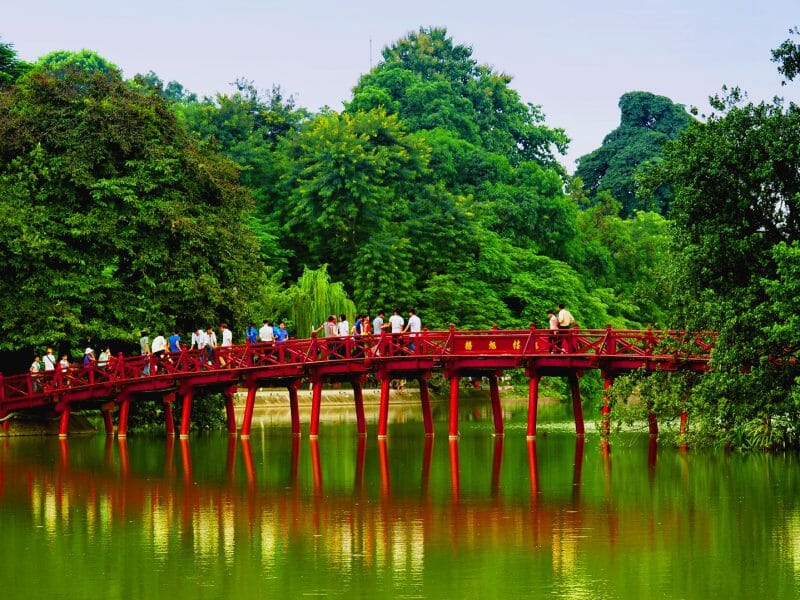
Lady Florist, Hanoi, Vietnam

The best time to visit Vietnam

Vietnam is a year-round destination, offering diverse experiences depending on when you visit. Stretching from the cool, mountainous north to the tropical south, the country’s varied climate means there’s always somewhere worth exploring, regardless of the time of year.

However, understanding the regional weather patterns can help you make the most of your trip. If you’re planning on a complete tour then February and March are excellent times to travel, however any time between November and April, when there is less rain, should be considered.

Explore the best time to visit

  • Jan
  • Feb
  • Mar
  • Apr
  • May
  • Jun
  • Jul
  • Aug
  • Sep
  • Oct
  • Nov
  • Dec

Visiting Vietnam in January

medium season

January is considered one of the best times to visit Vietnam, thanks to its dry and warm weather across most of the country. Daytime temperatures range from the mid-20s°C in central and southern regions to cooler evenings as low as 5°C in northern areas, like Sapa and Ha Giang. However, in northern coastal areas, namely Halong Bay, hazy conditions can impact visibility. Popular places to visit in January include Ho Chi Minh City and the islands of Phu Quoc and Con Dao.

River Travel

Tet (Lunar New Year)

Visiting Vietnam in February

medium season

February brings continued dry and warm weather, with average temperatures around 25°C. Southern Vietnam is typically warmer, while cooler highland regions provide ideal conditions for trekking. Lunar New Year (Tet) festivities dominate February, adding vibrant cultural experiences to any trip. For beach lovers, destinations like Mui Ne and Nha Trang offer excellent spots to relax. Alternatively, consider unwinding by a rooftop pool in Ho Chi Minh City at the start or end of your journey.

Lim Festival

Perfume Pagoda Festival

Visiting Vietnam in March

high season

March is one of the busiest months, but for good reason. It is one of the best times of year to visit Vietnam. Temperatures rise across the country, especially in central and southern regions, where highs can exceed 29°C. Northern Vietnam remains cooler, but sunny weather makes it an ideal time to explore national parks and rainforests. Halong Bay is particularly stunning in March, with clear blue skies and little rainfall. For beachgoers, destinations like Mui Ne, Con Dao and Nha Trang offer perfect conditions for relaxation and water activities.

Vietnamese Cuisine

Thay Pagoda Festival

Visiting Vietnam in April

high season

If you’re deciding when to go to Vietnam, April deserves serious consideration. Whilst it’s a peak travel month, the weather begins transitioning toward the rainy season, with increasing rainfall and humidity in the south later in the month. In northern Vietnam, temperatures remain pleasant in the mid-twenties, making it an ideal time of hiking in regions like Ha Giang and Sapa. Visitors can explore traditional villages and connect with local communities along the way.

Hung King Temple Festival

Hue Festival

Visiting Vietnam in May

medium season

May marks the start of Vietnam’s wet season, bringing soaring temperatures and an increase in mid-afternoon showers. Whilst rainfall is more frequent in northern areas like Hanoi and Sapa, central Vietnam enjoys warm temperatures around 30°C, blue skies and relatively dry days. May is a great time to explore without the higher prices associated with peak season.

Phat Dan (Buddha's Birthday)

Ba Chau Xu Festival

Visiting Vietnam in June

medium season

In June, central Vietnam offers the best weather with plenty of sunshine – perfect for beach days in Da Nang or Nha Trang, cycling through Con Dao National Park, or exploring Hoi An. While trekking in northern Vietnam becomes impractical due to storms, the south experiences daily afternoon downpours that are typically brief. Spend mornings exploring cities like Ho Chi Minh City, and afternoons in fascinating museums, such as the War Remnants Museum and the Reunification Palace.

Green turtle nesting season

Nha Trang Sea Festival

Visiting Vietnam in July

low season

July falls in the middle of Vietnam’s low season, making cities like Hanoi and Ho Chi Minh City less crowded and accommodation more affordable. However, the weather varies greatly by region, so it’s best to consult our travel experts for personalised advice. Central Vietnam continues to enjoy sunny, relatively dry weather, making destinations like Hue and Hoi An ideal for travel. In contrast, northern areas such as Halong Bay and Sapa experience stormy conditions and the south remains in the midst of its wet season. Central Highland destinations like Dalat are also best avoided due to heavier rainfall.

Visiting Vietnam in August

low season

In August, central Vietnam is the best region to explore, offering warm temperatures and relatively dry conditions. While northern and southern areas experience increased rainfall, they’re still worth visiting if you don’t mind occasional showers. However, trekking in the mountainous regions of northern Vietnam isn’t recommended. Instead, immerse yourself in Vietnam’s culture with a cooking class in Hoi An, visit the historic landmarks of Hue, or explore the fascinating museums of Hanoi and Ho Chi Minh City. Alternatively, explore the caves of Phong Nha and ride around the wider national park.

Green turtles hatching

Moon festival

Visiting Vietnam in September

low season

September falls into Vietnam’s low season with less favourable weather conditions across much of the country. Northern and southern regions begin transitioning out of their hot and humid seasons, however central Vietnam enters its wet season with places like Hoi An and Phong Nha prone to flooding. September is the peak of typhoon season, so it is essential to monitor local weather updates and plan travel accordingly.

Visiting Vietnam in October

medium season

October is a fantastic time if you’re looking to trek the mountainous regions of northern Vietnam or admire the rice terraces in Mu Cang Chai. Cooler temperatures return to the north after the summer heat, creating ideal conditions for outdoor activities. Meanwhile, the south sees fewer typhoons, making it a more reliable choice for travel. Central Vietnam, however, experiences its wettest months, so some destinations may be less accessible.

Visiting Vietnam in November

high season

November marks the start of Vietnam’s high season, attracting travellers eager to enjoy the country before the cooler weather arrives in northern regions. Northern Vietnam offers comfortable temperatures for hiking, while most of the country experiences hot and dry weather toward the end of the month. Central Vietnam, however, still sees occasional heavy showers. In the south, destinations like Mui Ne and Phan Thiet are out of the typhoon season with 27°C days perfect for beach relaxation and swimming in crystal-clear waters.

Halong Bay Cruises

Ooc Om Bok Festival

Visiting Vietnam in December

high season

December marks the height of Vietnam’s peak travel season, especially as Christmas approaches. Northern Vietnam is one of the driest regions this month, though nighttime temperatures can drop. Southern Vietnam enjoys near-perfect weather, with warm, comfortable temperatures and minimal humidity or rainfall. The beach season kicks off again on the islands of Phu Quoc, while the central regions begin to dry out. If you plan to travel during the festive period, booking well in advance is essential to secure the best availability.

Vietnam climate guide

Drag the slider to see monthly temperature and rainfall.

Jan
Feb
Mar
Apr
May
Jun
Jul
Aug
Sept
Oct
Nov
Dec
Maximum Temperature (°C) Monthly Rainfall (mm)
Con Dao Islands
Halong Bay
Hanoi
Hoi An
Hue
Mekong Delta
Nha Trang
Phu Quoc
Ho Chi Minh City
Sapa & the Tonkinese Alps

Explore Vietnam

  • Con Dao Islands
  • Halong Bay
  • Hanoi
  • Hoi An
  • Hue
  • Mekong Delta
  • Nha Trang
  • Phu Quoc
  • Ho Chi Minh City
  • Sapa

Contact Us

Start planning your trip


Send us an enquiry

Complete our enquiry form and start your next journey.

Review Contact Form

Name(Required)

Why Choose Steppes?

Our knowledge, curiosity and expertise set us apart, driving us to create remarkable holidays and Beautiful Adventures tailored perfectly to you, carefully curated to help protect and conserve our planet.

Are you ready to Discover Extraordinary?


More about Steppes